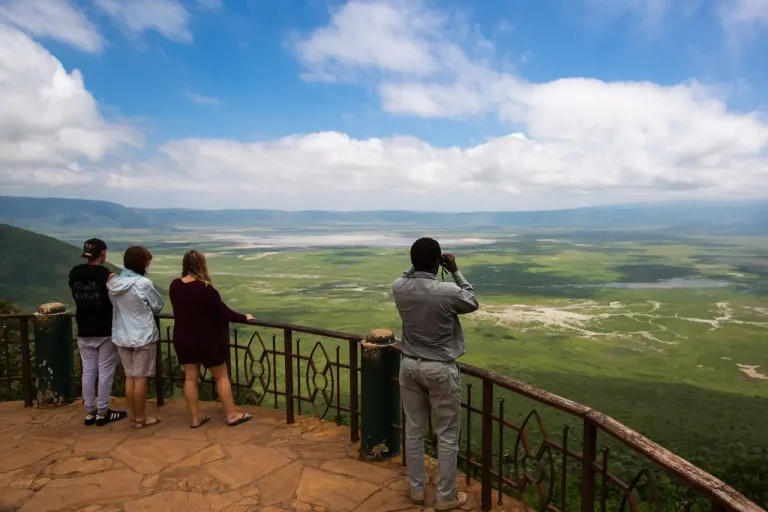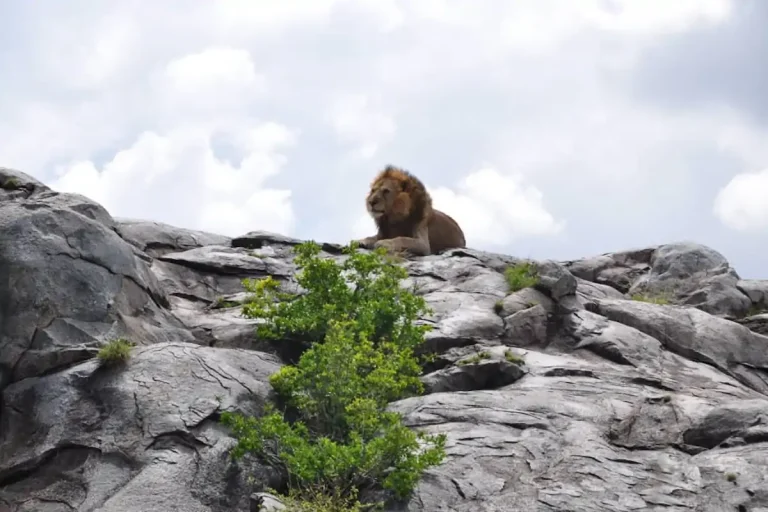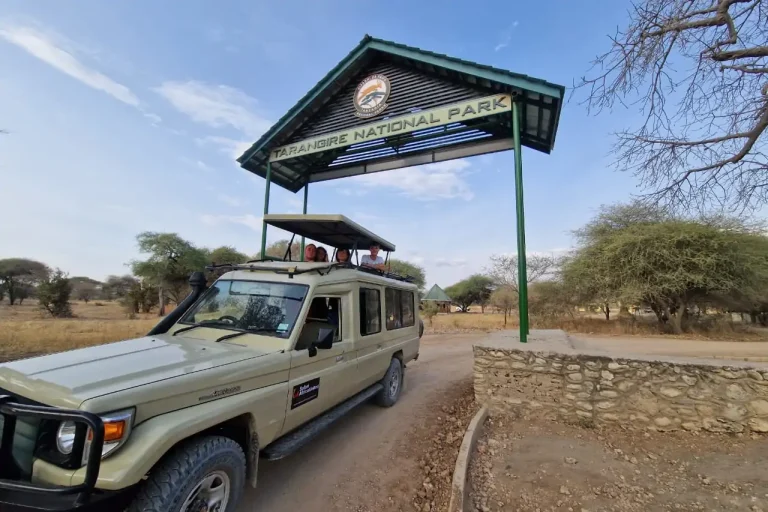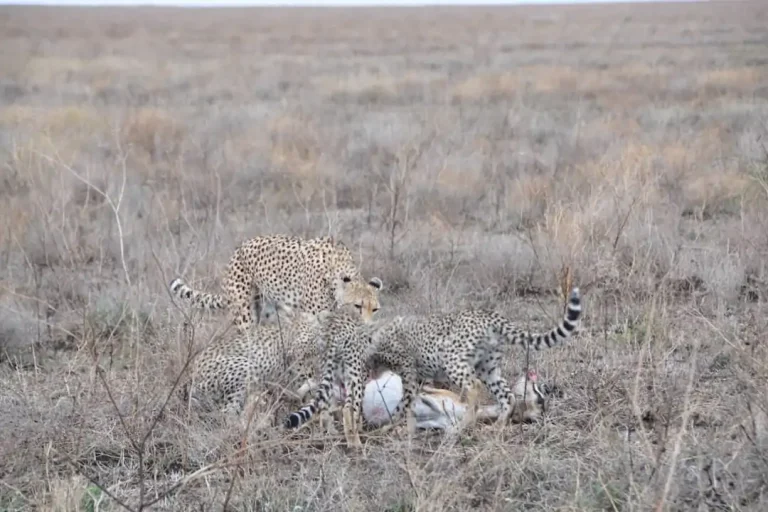


Explore Serengeti, Ngorongoro, Tarangire and Lake Manyara with a licensed local tour operator based in Arusha. Choose from authentic private and group safaris in Tanzania, designed for every travel style and budget.
Plan your journey with a licensed local tour operator based in Arusha. With over 15 years of experience, TALA licensing and TATO membership, our team combines local expertise, professional service and first-hand knowledge of Tanzania’s national parks.
Local Tour Operator in Arusha
TALA Licensed
TATO Member
15+ Years of Experience
Discover our featured Tanzania safari packages, designed for different travel styles, durations and budgets. Choose from the Simba, Faru, Tembo and Asili tours, each offering a carefully planned itinerary through some of Tanzania’s most iconic national parks, with accommodation, transport and safari experiences included.
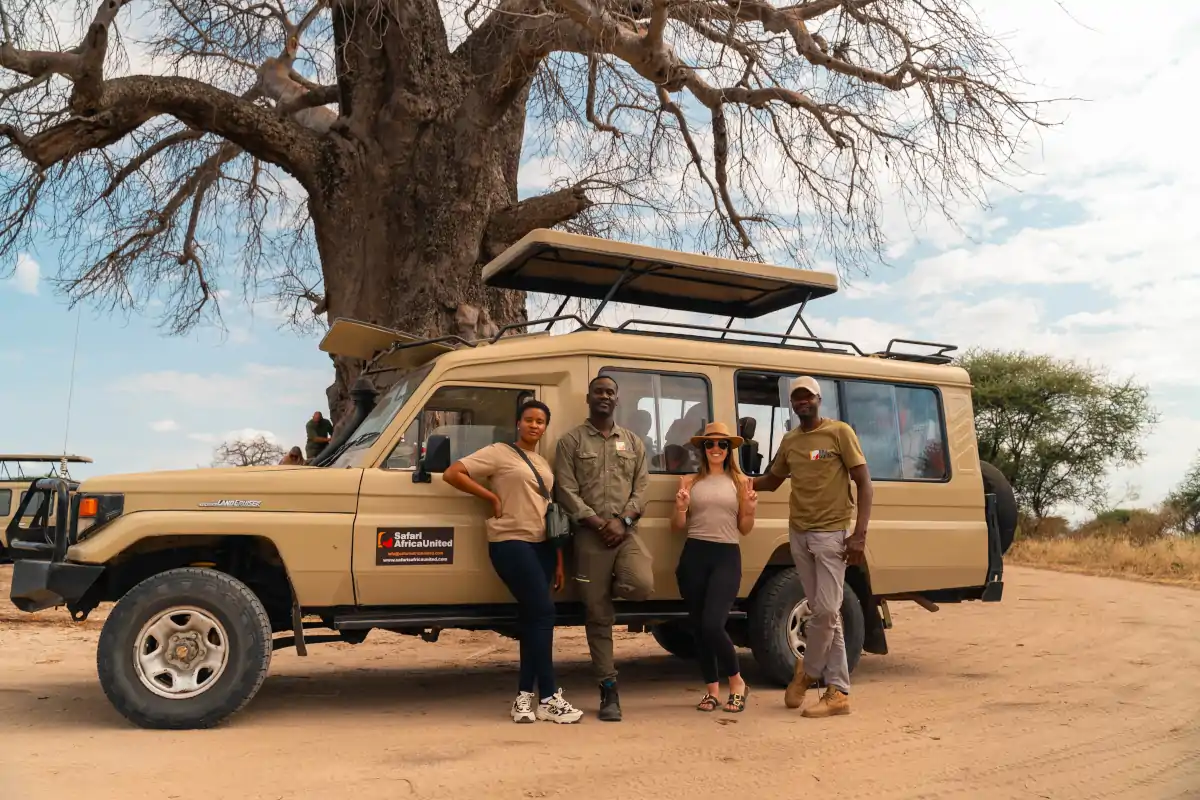
Safaris Africa United is a local tour operator based in Arusha. We provide safaris through the main parks in Northern Tanzania. Our secret: our great love and respect for our land, and the great knowledge of it in all its aspects by our guides. Our guides are our treasure, they are widely experienced and will make your trip something unique to remember. Tanzania is the country of safaris par excellence here awaiting to show you everything that this magnificent country has to offer.
Safaris Africa United is a company that was created with great dedication. We are a tour operator that despite our recent incorporation to the market, both of us who we are the owner, and all of our guides, have wide experience in the tourism sector. We come from a long career path of more than 15 years in this wonderful world of safaris.
Our intention is to give you a vision of Tanzania different from the conventional. Tanzania is not only fauna and flora sighting, it is much more than that. We have a great cultural wealth that we want to show you, if that is what you want.
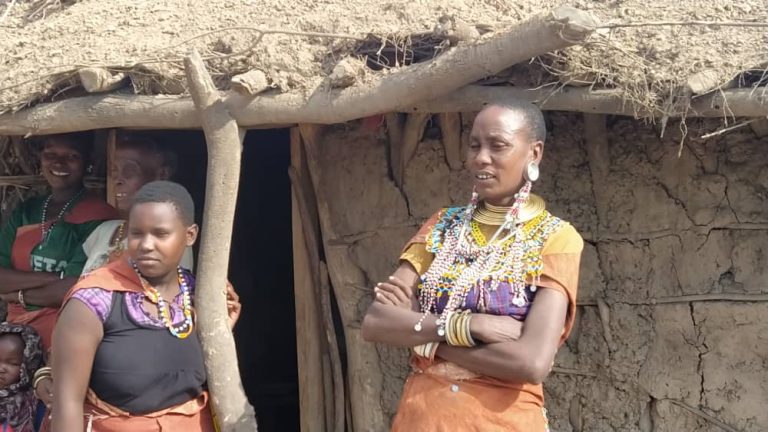
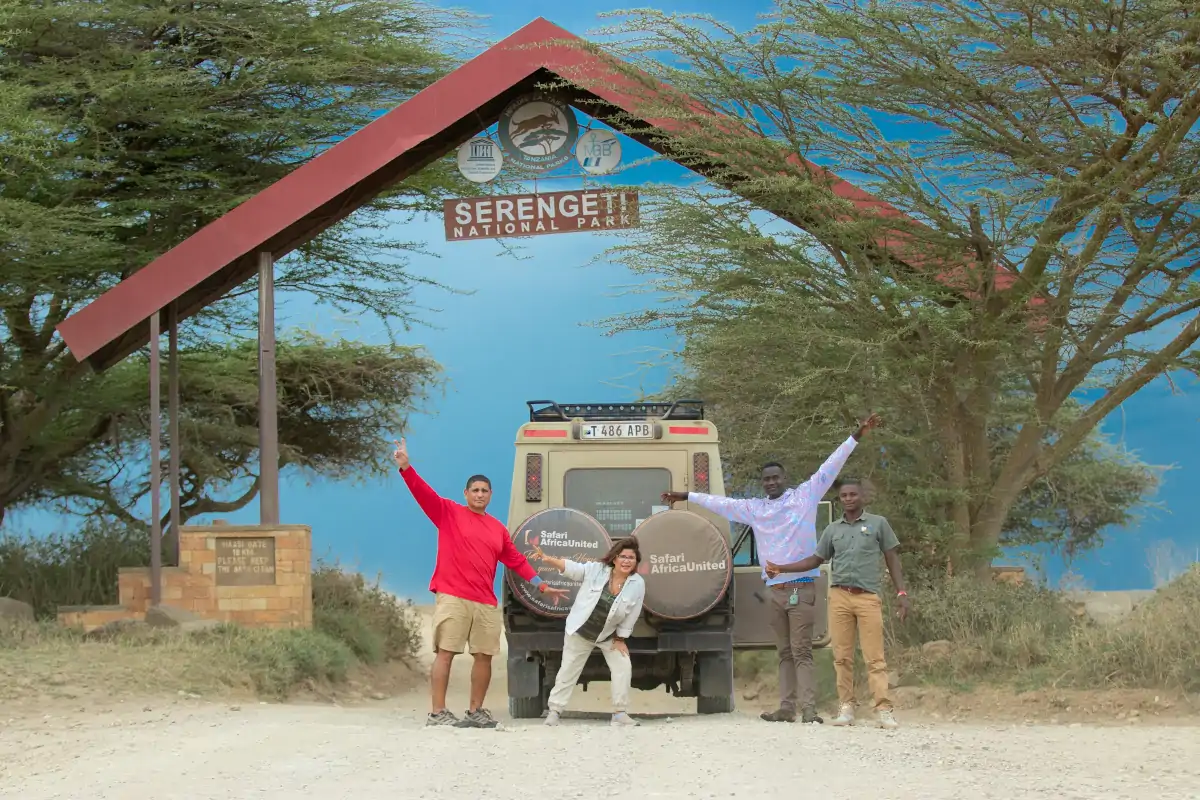
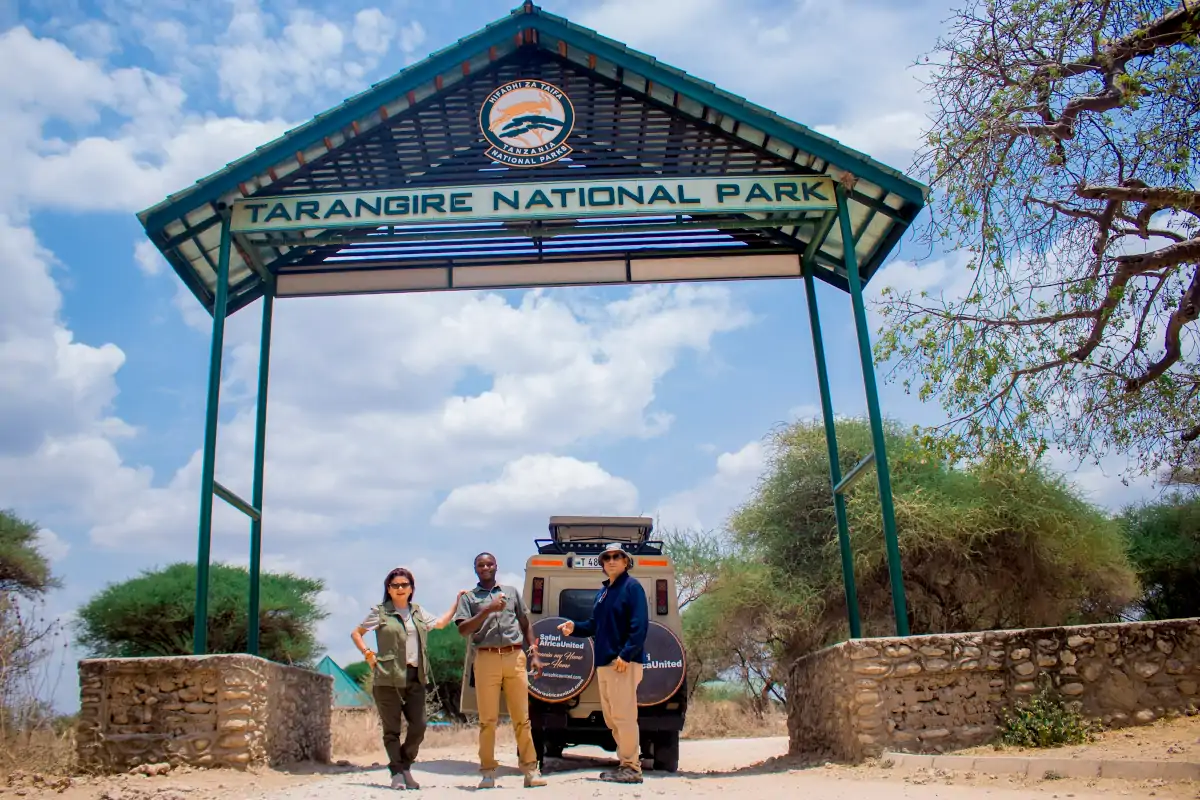
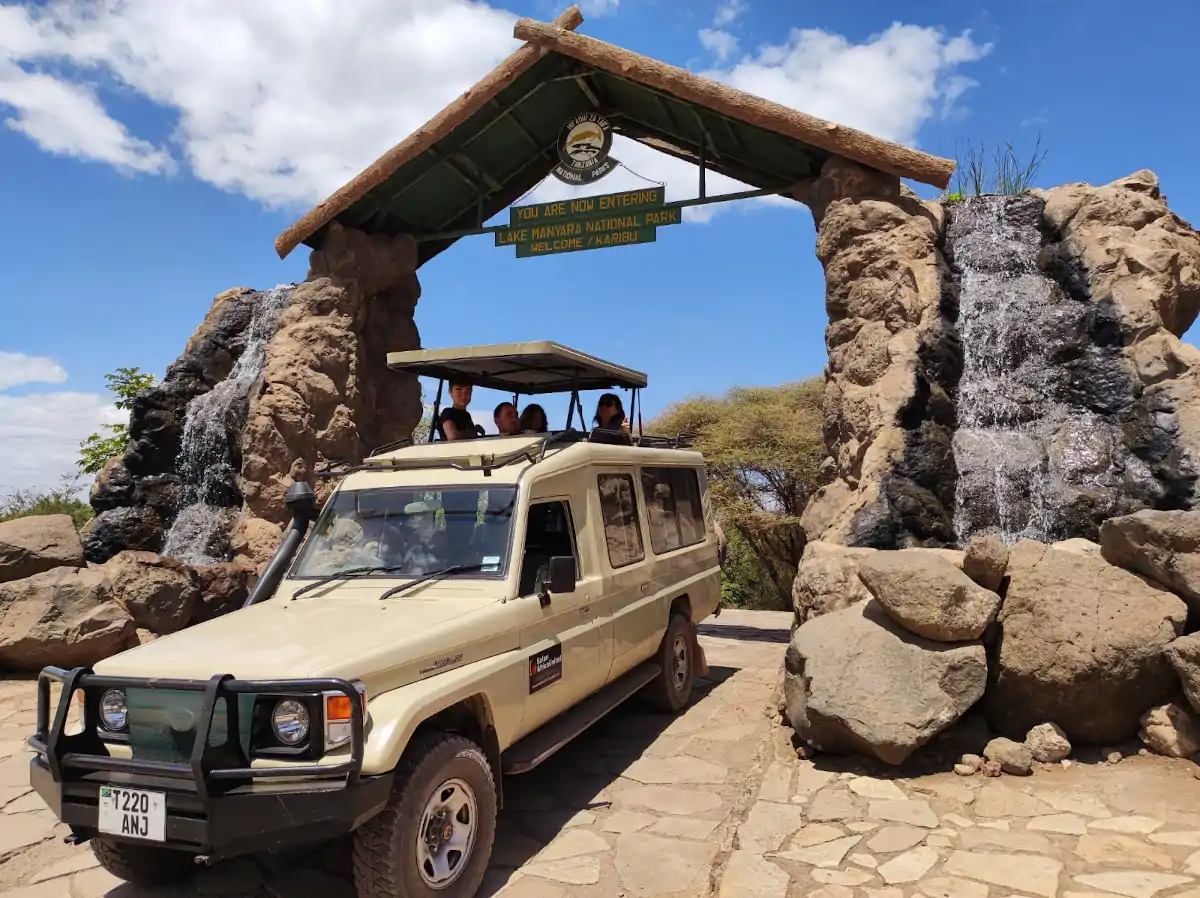
Our safaris include a visit to the main parks in Northern Tanzania (Tarangire National Park, Lake Manyara, Serengeti National Park and Ngorongoro Crater) and, if you want to deepen in our culture, we have safaris where, apart from visiting the aforementioned parks, we will do cultural exchange. We will visit little tourist tribes such as the Masai, Datoga and Hadzabe and we will go to towns and their markets, so that you leave with a broader vision of Tanzania and its people.
We work with great effort and love to make your safari an experience that will remain etched in your memory for a lifetime. If you are looking for a different safari, Safaris Africa United is your company.
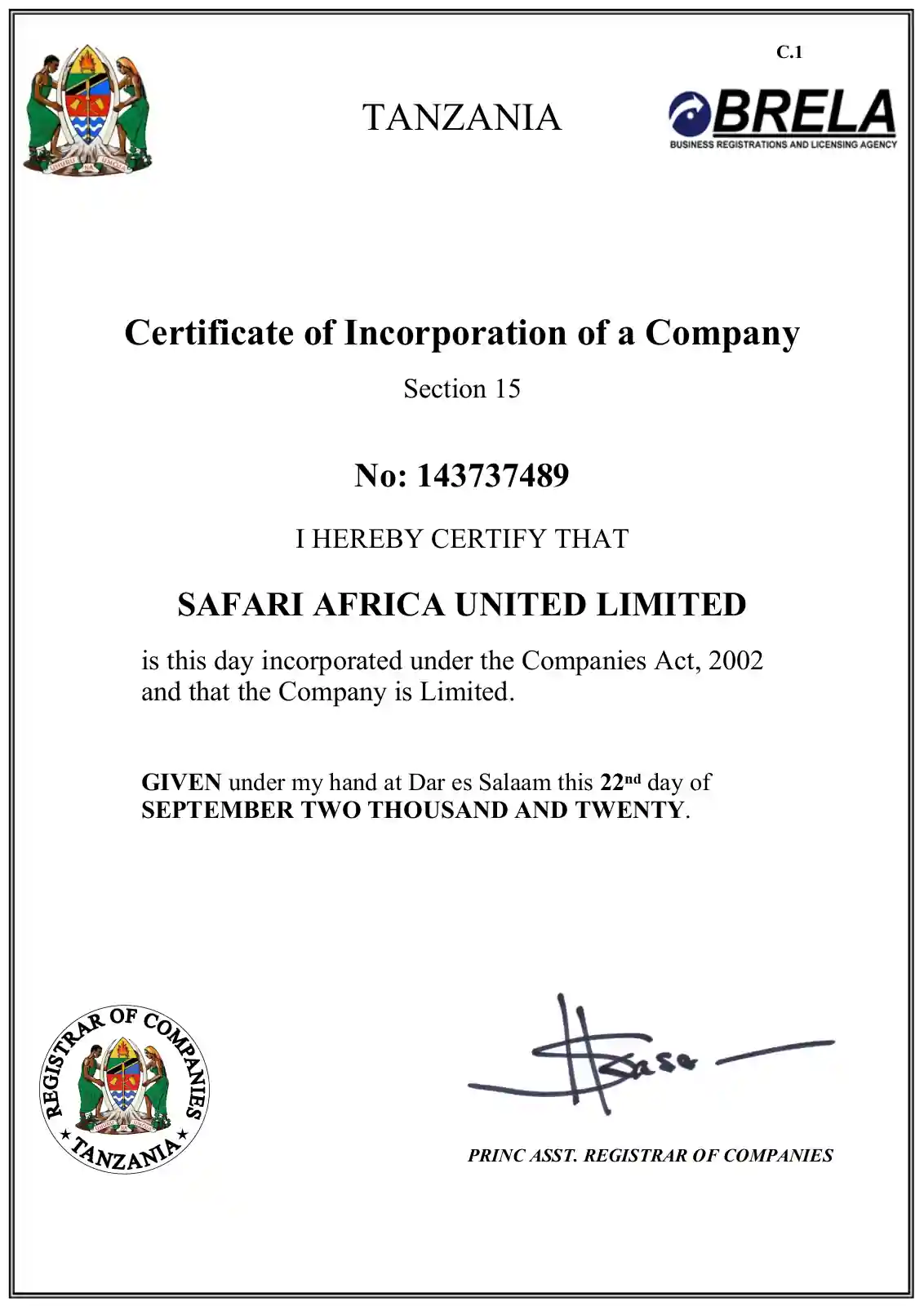
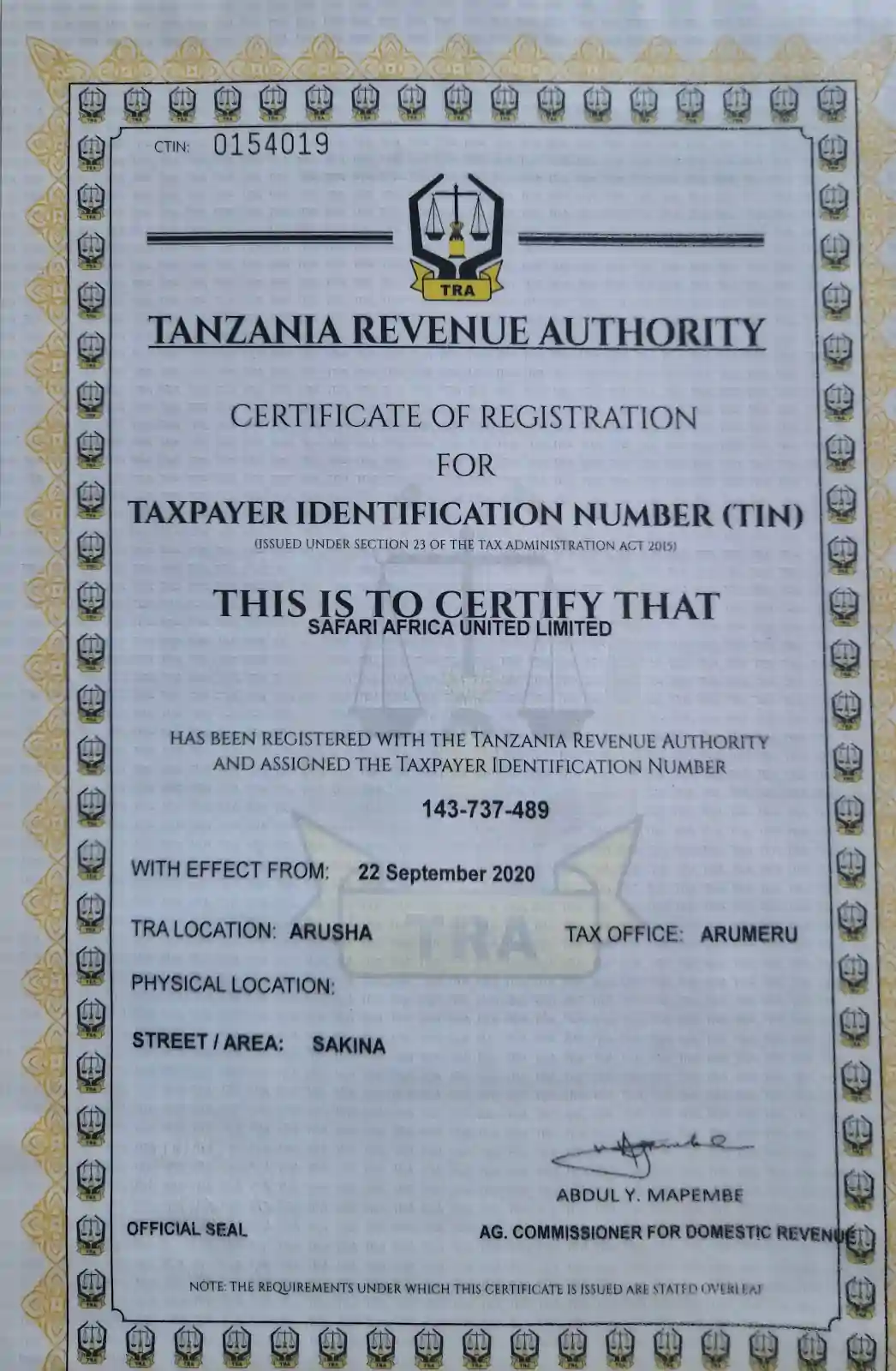
We are an officially registered company in Tanzania, complying with all government laws and regulations to operate as a tour operator, according to the registration documents and links below.

THE UNITED REPUBLIC OF TANZANIA
Ministry of Natural Resources And Tourism
Tourism Division
License to carry on the business of Tourism Agent
Tourism Act No.11, 2008
License No: 033614
Over 220 published reviews across three independent platforms.
EXCELENTE A base de 108 reseñas
 Publicado en Google
 Alvaro SanchezWe booked a safari with Safaris Africa United and the whole experience was unbelievable! Since the reservation process with Cornelius, in which every conversation was totally smooth and he was fully willing to attend our requests, to the safari itself, with our great guide Cliff, who drove us to see everything we wished to see. Food and accomodations were amazing. It strongly recommend to reserve a safari with them. Asante sana!Publicado en Google
 Jean DeshaiesUne semaine incroyable avec un guide exceptionnel et une compagnie des plus professionnelles. Ils sont flexibles et à notre écoute. Hautement recommandé.Publicado en Google
 Gagnon AnnieWe had an absolutely extraordinary experience during our sevenday safari in Tanzania! Everything was very well organized from start to finish. Our guide was professional, attentive, passionate, and always available to answer our many questions. We discovered magnificent landscapes and observed an incredible number of animals in their natural habitat. Each day brought new surprises and unforgettable moments. The accommodations were very pleasant, and the entire trip exceeded our expectations. A huge thank-you to the entire team for your warm welcome, kindness, and all these wonderful memories. We highly recommend this experience without hesitation!Publicado en Google
 Stephanie Rodrigue⭐⭐⭐⭐⭐ If we could give more than 5 stars, we would! The trip of a lifetime! Our 8-day safari with Safaris Africa United exceeded every expectation. We explored Tarangire, Central and Northern Serengeti, Ngorongoro Crater and Lake Manyara, and were incredibly lucky to see the Big Five and so much more. What truly made this safari unforgettable was our amazing driver-guide, Laurian. His ability to spot wildlife was incredible, but even more impressive was his knowledge of animal behavior and knowing when to wait and let nature surprise us. Thanks to his patience and experience, we witnessed extraordinary moments: the birth of a baby zebra, a lion and lioness mating, predators with their prey, elephant families with their babies, a leopard in a tree, cheetahs and countless other unforgettable wildlife encounters. At times, it felt like we were inside a wildlife documentary! We love photography, and Laurian never rushed us. He always tried to position the vehicle perfectly and gave us all the time we needed. He also personalized our days according to what we wanted to see and experience. It never felt like we were simply following a tour — it truly felt like our safari, designed for us. Most importantly, we felt completely safe with Laurian from beginning to end. He is an excellent, calm and careful driver, and we trusted him completely. By the end of our eight days together, it didn’t feel like we were saying goodbye to our driver-guide… we were saying goodbye to a friend. We cannot recommend Safaris Africa United — and especially Laurian — highly enough. Asante sana, Laurian! ❤️🇹🇿 Thank you for sharing your beautiful Tanzania with us and giving us memories that will last a lifetime. Hakuna matata! And yes Laurian… “Ça va? Ça va?” — Ça va très, très bien! 😊❤️Publicado en Google
 Gabriela Victoria Procel BurbanoPerfecto !!!Publicado en Google
 Lourdes G.
Trustindex verifica que la fuente original de la reseña sea Google.
Agradable experiencia con Tunaini y AlejandroPublicado en Google toni alex carbonellFantástico Safari de la mano de Safari Africa United. Zuberi y Laurian son muy buenos guías y Cornellius es la hospitalidad en persona. Recomendamos este Safari 100%. Buena relación calidad-precio y, lo más importante, el dinero se queda en el país de Origen, Tanzania🇹🇿 Asante sana!Publicado en Google
 Pau LluchLes quiero hacer una breve sugerencia para aquellas personas que quieran hacer un Safari en Tanzania. Acabamos de hacer un viaje con mi familia hace pocos días y hemos disfrutado muchísimo. Hemos tenido la suerte de poder disfrutar de los cinco grandes animales que pueblan el Serengueti y su contorno gracias al conocimiento de nuestro guía Cornelius. También hemos tenido la oportunidad de visitar varios poblados indígenas como el de los bosquimano y Masai para conocer sus costumbres y ver cómo viven. Al Sr Cornelius lo conocimos en otro Safari en el 2013 como guía, nos dijo que su meta era tener su propia agencia. Su sueño es en estos momentos una realidad y lo recomiendo para los amantes de los Safaris. Su gestión fue impecable, pudimos desconectar durante el viaje sin tener que preocuparnos de nada, solo de disfrutar.Publicado en Google
 PepiDefinitivamente el mejor viaje de nuestra vida. Desde el principio la comunicación con el señor Cornelius ha sido de 10, la organización el itinerario el precio todo perfecto. Nuestro guia Joshua fue súper simpático profesional y en todo momento nos hizo sentir mucha seguridad. Cada 5 minutos veíamos diferentes animales y no hubo problema para ver los Big5. Un safari que supero muchísimo lo que esperábamos .Todas las estancias de 10 . Una experiencia que hay q vivir una vez en la vida. Muchas gracias Joshua por ser tan profesional y buena persona. 100x100 aconsejable. Safari África unitedPublicado en Google
 LeyaUna experiencia inolvidable en Tanzania Hay viajes que se viven… y otros que se quedan contigo para siempre. Este safari por Tanzania ha sido, sin duda, de los segundos. Una experiencia que nos ha emocionado, sorprendido y dejado sin palabras desde el primer hasta el último día. Hemos realizado un safari de 4 días con Safaris África United, recorriendo 2 días el Serengeti, 1 día el Ngorongoro y 1 día Tarangire, y la experiencia ha sido sencillamente espectacular. Queremos agradecer especialmente a todo el equipo. Gerard, nuestro guía de habla hispana, hizo que el viaje fuera todavía más especial. Su conocimiento de los animales, del entorno y de la cultura de Tanzania, además de su cercanía y paciencia, hicieron que cada día aprendiéramos y disfrutáramos muchísimo. También queremos destacar a Tuma, nuestro conductor, que además de ser un gran profesional, estuvo siempre pendiente de nosotros y consiguió que nos sintiéramos seguros durante todo el safari. Gracias a su experiencia pudimos disfrutar de momentos únicos y ver una cantidad de animales que superó todas nuestras expectativas. Y por supuesto, gracias a Cornellius, que se encargó de organizar todo y estuvo pendiente de que el viaje saliera perfecto en cada detalle. El Serengeti nos dejó sin palabras, el cráter del Ngorongoro fue impresionante y Tarangire nos sorprendió muchísimo. Hemos vivido momentos que recordaremos toda la vida. Si estás pensando en hacer un safari en Tanzania, no lo dudes: Safaris África United es una apuesta segura. La organización, el trato humano y el equipo hacen que la experiencia sea realmente de 10. Gracias Gerard, Tuma y Cornelius por hacer de nuestro safari una experiencia inolvidable. ¡Asante sana! 🇹🇿❤️

SafariBookings.com is the largest online marketplace for Africa Safaris. Easily compare offers from 3503 specialized tour operators. Make decisions like a pro with our 60,504 reviews and 210 destination guides.
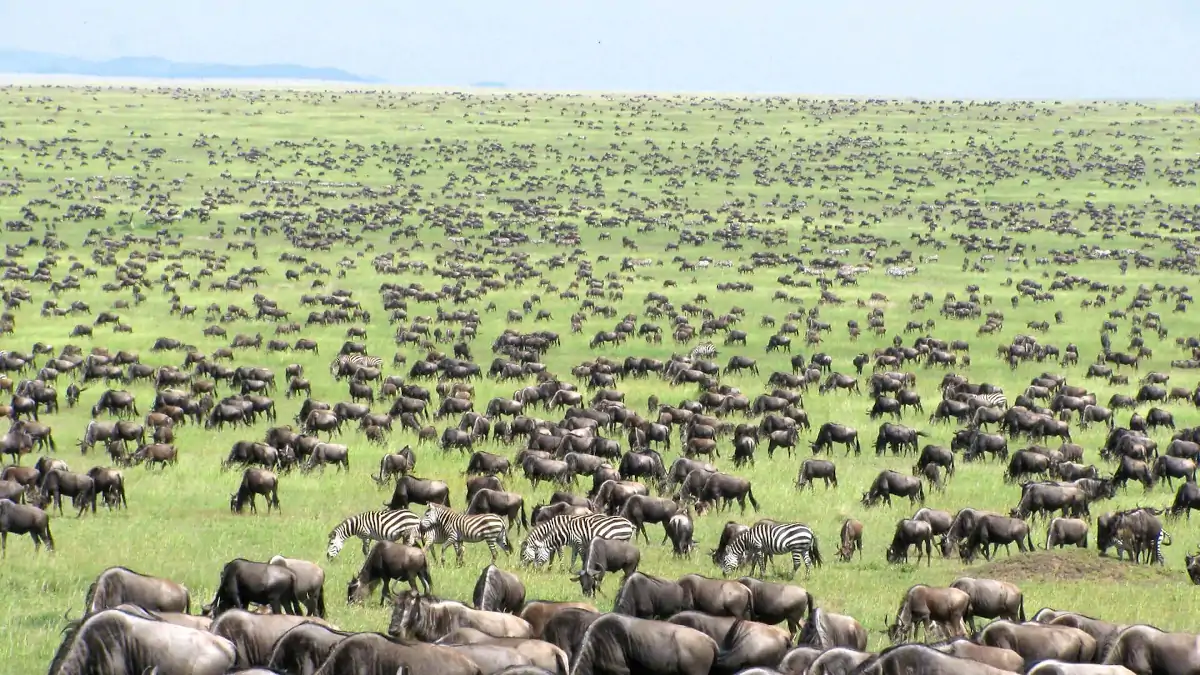
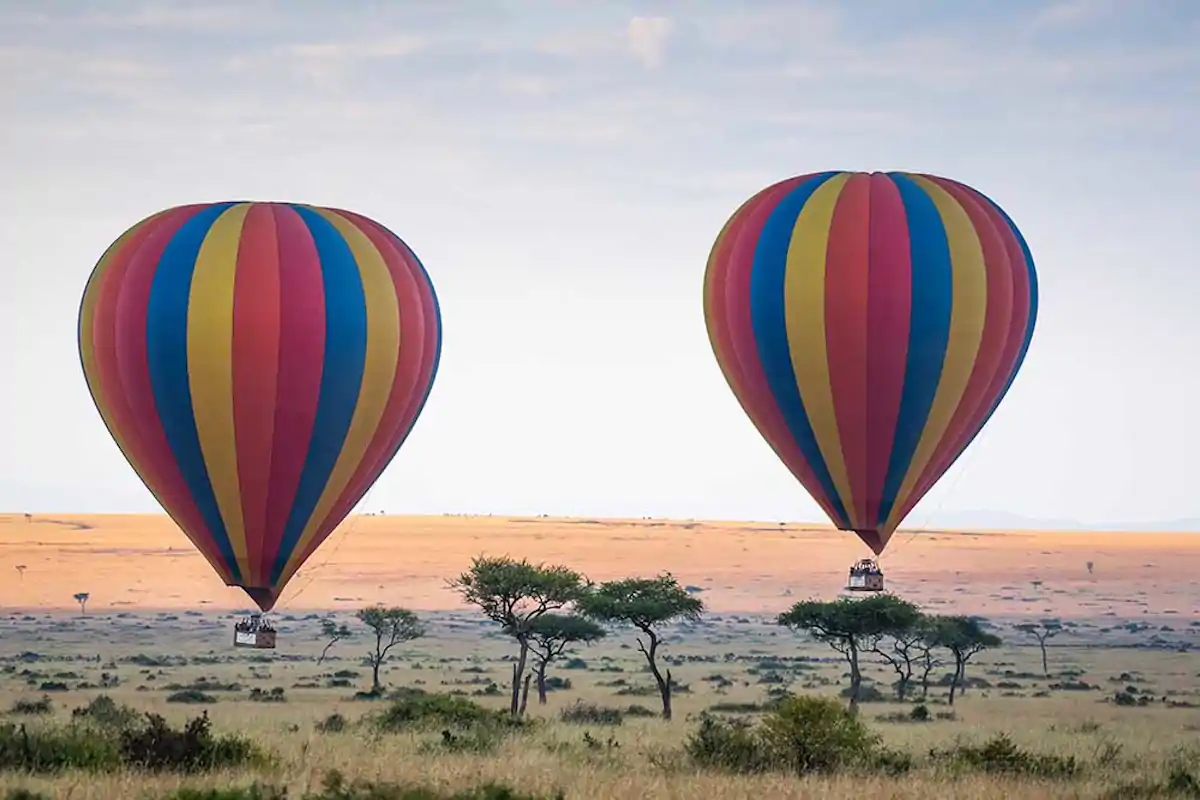
Discover Tanzania with a local team that knows its parks, routes and seasons. From the endless plains of the Serengeti to the Ngorongoro Crater and the wild landscapes of Tarangire, every journey reveals a different side of one of Africa’s most iconic safari destinations. Here, vast horizons, changing light and remarkable wildlife come together to create an authentic African safari experience.
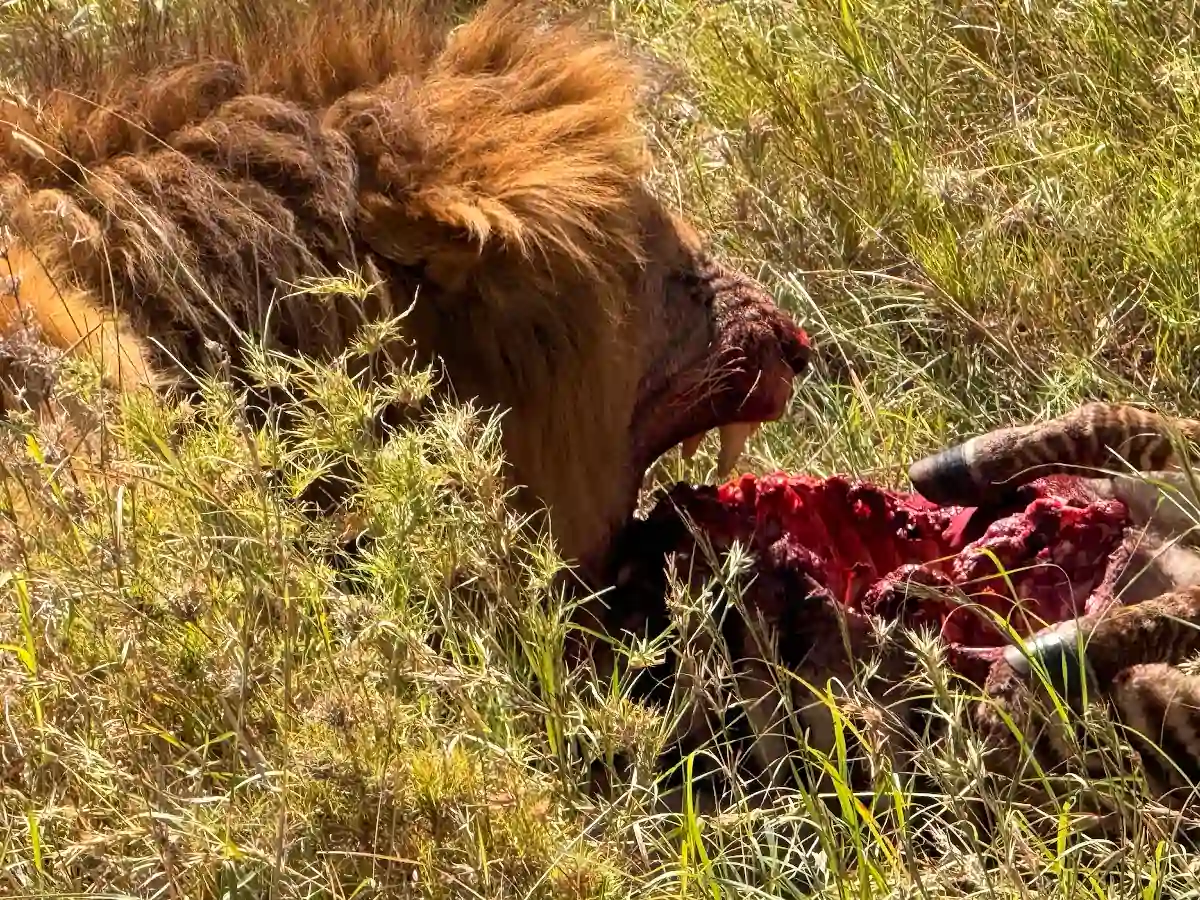
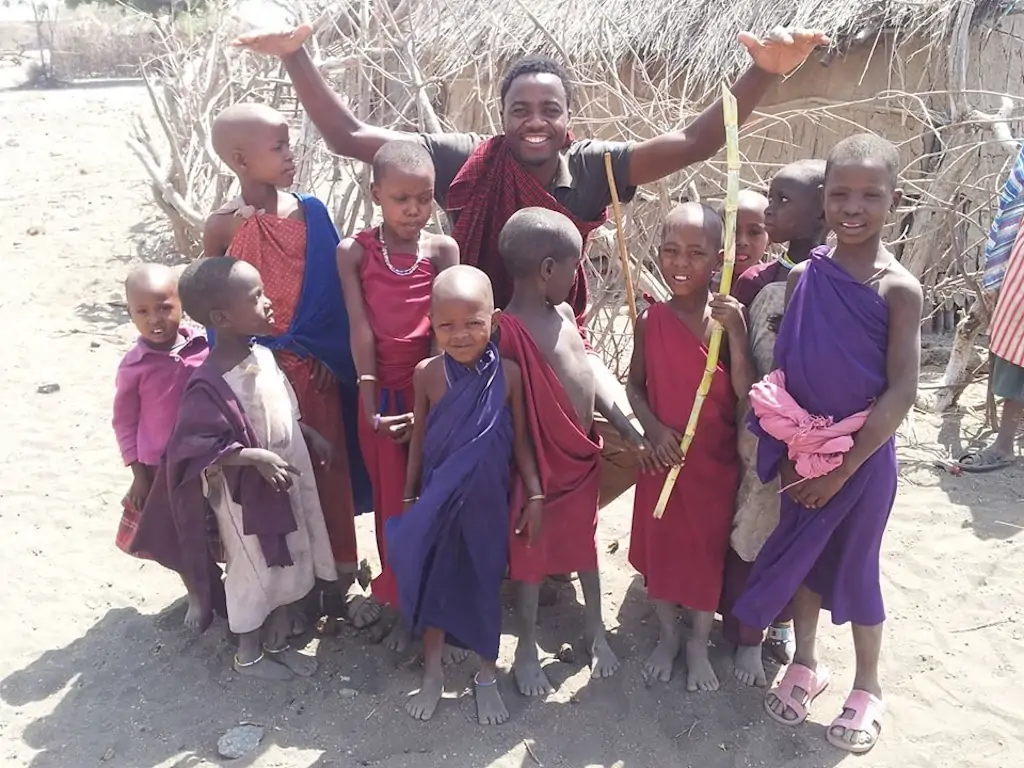
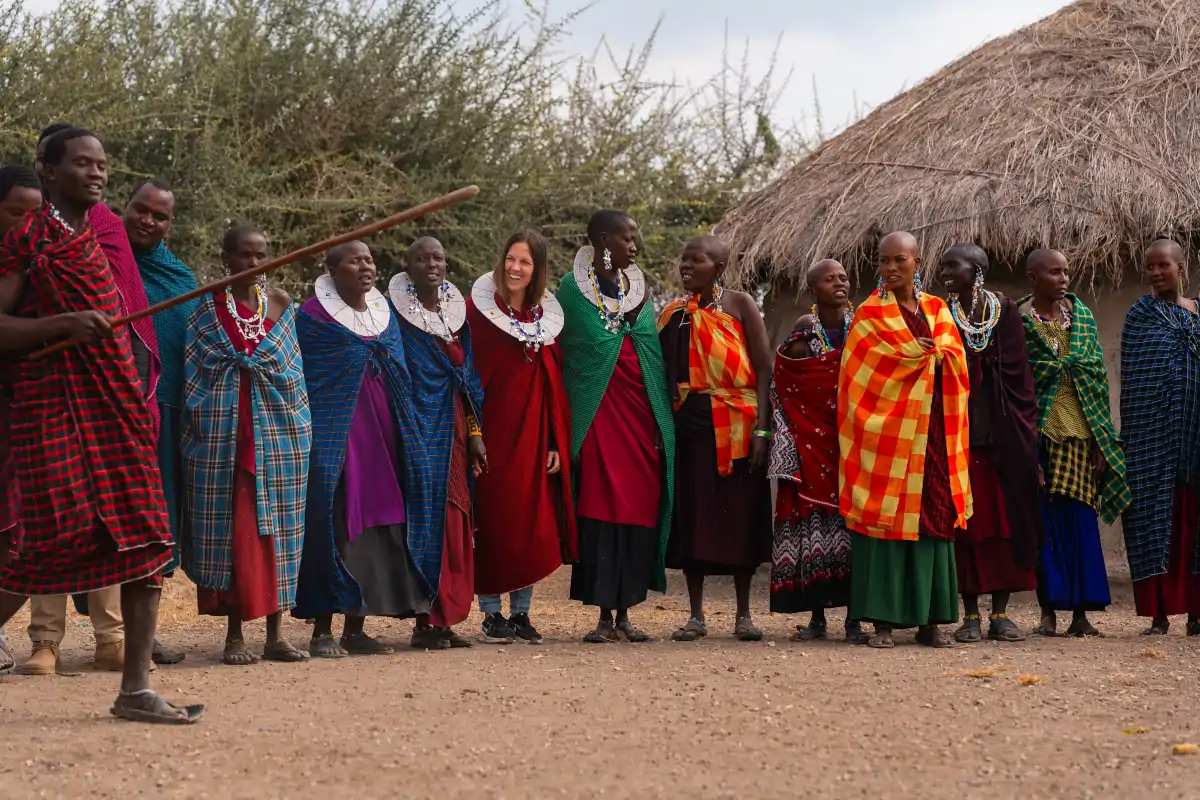
Picture those sweeping plains adorned with herds of majestic animals. Tanzania boasts some of the wildest and most picturesque wildlife reserves on the entire African continent. Here, you can marvel at the Big Five and perhaps witness a thrilling hunting scene unfold before your eyes. It’s a land that invites you to explore its diverse ethnic groups, with a special mention of the Maasai, a warrior tribe known for their dedication to herding. Visit their villages, where they greet you with their traditional dance and share insights into their tribal customs. Additionally, don’t miss the chance to admire and conquer Kilimanjaro.
Experience the exhilarating cultural tapestry of Tanzania. The warmth of its people, reflected in their genuine smiles and hospitable nature, is bound to capture your heart and leave an indelible mark on your journey. And remember, at Safaris Africa United, we’re dedicated to ensuring your trip is nothing short of unforgettable.
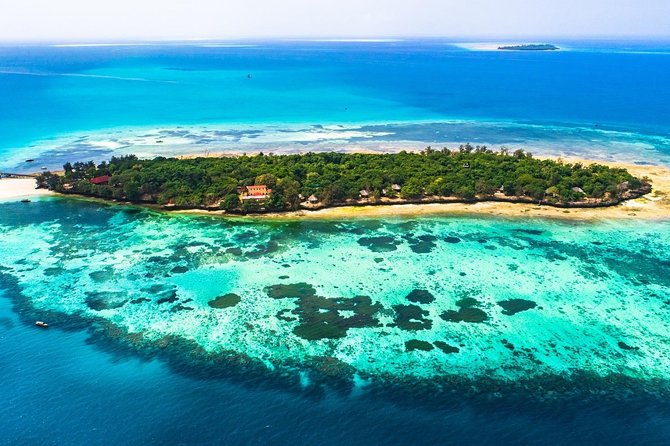
Experience the perfect conclusion to your safari adventure by unwinding on the picturesque island of Zanzibar, situated just 36 kilometers off the coast of Tanzania in the Indian Ocean. Safaris Africa United offers seamless extensions to Zanzibar, renowned for its pristine beaches and plethora of recreational activities.
Indulge in the ultimate relaxation as you bask on Zanzibar’s renowned beaches and partake in a variety of excursions. Explore the historic charm of Stone Town, a UNESCO World Heritage Site, with its enchanting narrow streets and bustling bazaars exuding Arabic influence. Venture to the captivating Prison Island or embark on a thrilling dolphin-watching excursion. Dive into the crystal-clear waters for unforgettable snorkeling adventures, or immerse yourself in the vibrant marine life through diving expeditions. Delight your senses with a spice tour, visit the charming fishing village of Nungwi, and savor the delectable flavors of Zanzibar’s renowned cuisine infused with exotic spices and fresh seafood.
For those seeking vibrant nightlife experiences, Zanzibar offers a lively scene that promises endless entertainment. Safaris Africa United ensures you embrace every facet of this vibrant island, allowing you to savor its lively ambiance to the fullest.
WHERE IS TANZANIA?
Tanzania is a country located in East Africa, on the edge of the Indian Ocean and with an area of 945087 square kilometers. It limits to the North with Kenya and Uganda, to the West with Rwanda and Burundi and the Democratic Republic of the Congo and to the South with Zambia, Malawi and Mozambique. Tanzania is made up of the Continental state of Tanzania and the islander of Zanzibar. Its name comes from the union of two words «Tanzania» and «Zanzibar».
WHAT IS THE WEATHER IN TANZANIA?
The climate of Tanzania is tropical along the coast, the annual average temperatures oscillate between 10 and 30 degrees centigrade. It has two rainy seasons and a great dry season.
A large rainy season from early March to early May, then a small one from early November to mid-December. The Great Dry season from May to October and the small season from January to March.
Most numerous ethnic group in Tanzania, it means North where they are and inhabit. They had conflicts with the Masais, due to disputes with cattle, which made them enemies. Majority religion Christianity and then Islamism.
Second ethnic group with the most presence in Tanzania. Of Arab origin, it means inhabitants of the Coast. Of Muslim religion.
Third largest ethnic group. They have traditionally been grazing. Christianity is the majority religion followed by Islam.
Fourth largest ethnic group. They are credited with the invention of steel. Of Christian religion.
Ethnic group best known for its proximity to tourists who trek to Kilimanjaro.
They are found in Lake Eyasi. Minority group of ancestral customs such as Hunting and Gathering, possibility of hunting with them if you visit the place.
Of Nilotic origin, a name that means «fierce enemy», they are great enemies of the Masai people.
Of Nilotic origin, a nomadic people who live by herding. Fearful and respected for their reputation as warriors. They maintain their traditional religion.
Tanzania is Nature in its purest form. Both the fauna and the flora are very rich. Among its flora we must highlight the lush jungle around Lake Victoria, the shrub savanna of the North, the grove of the South or the bushes of the Center of the Country. To highlight the miombo (humid forest), forest habitat.
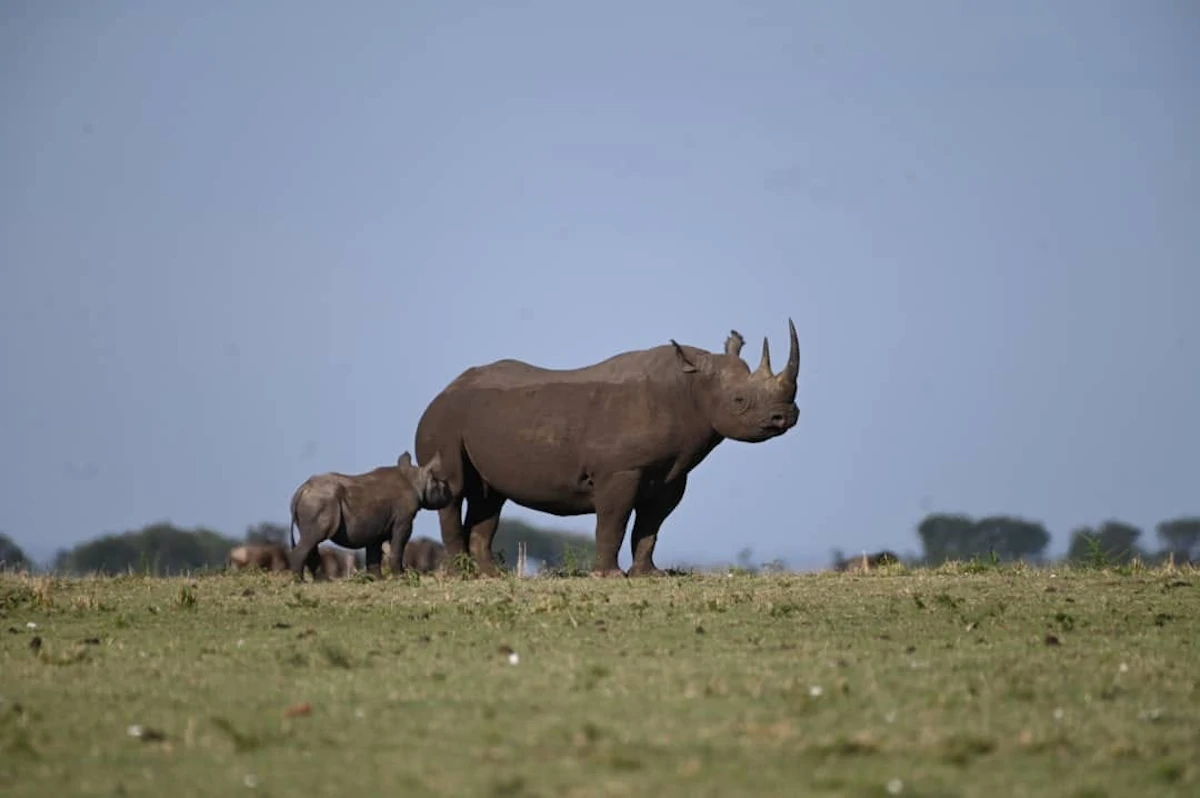
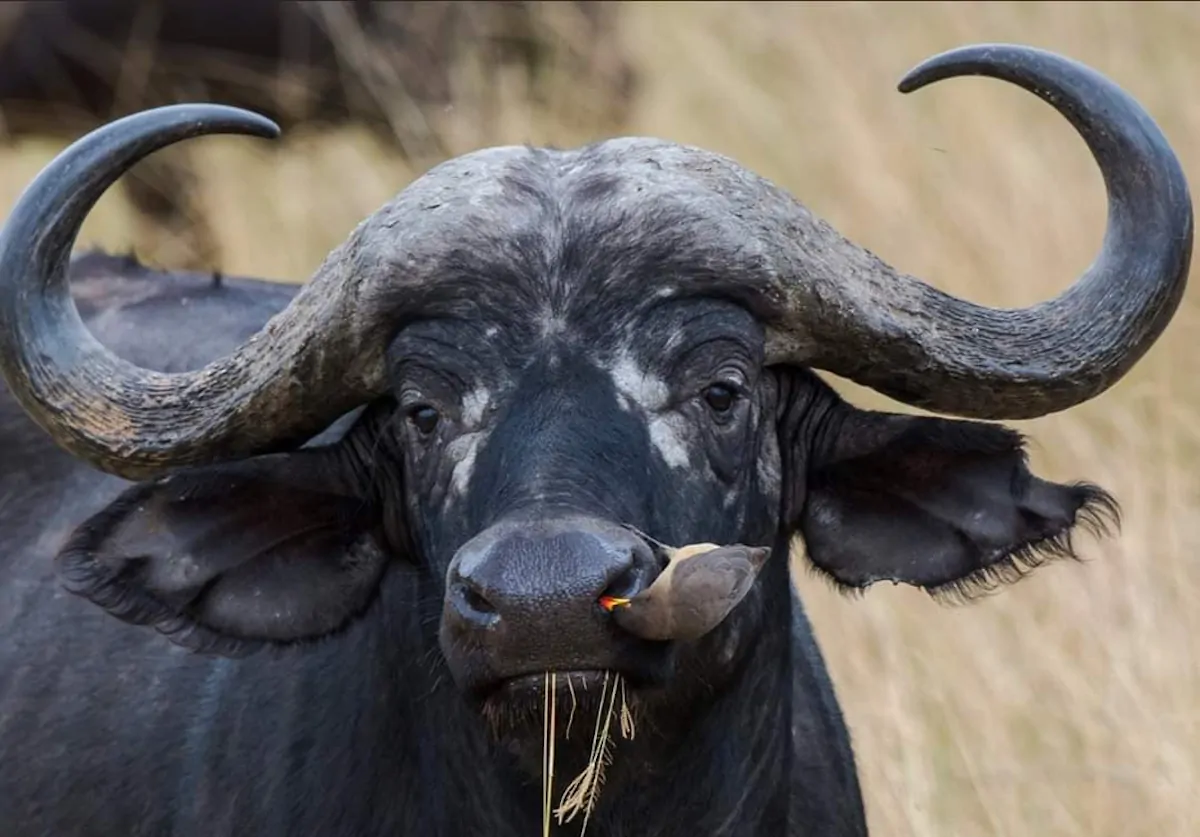
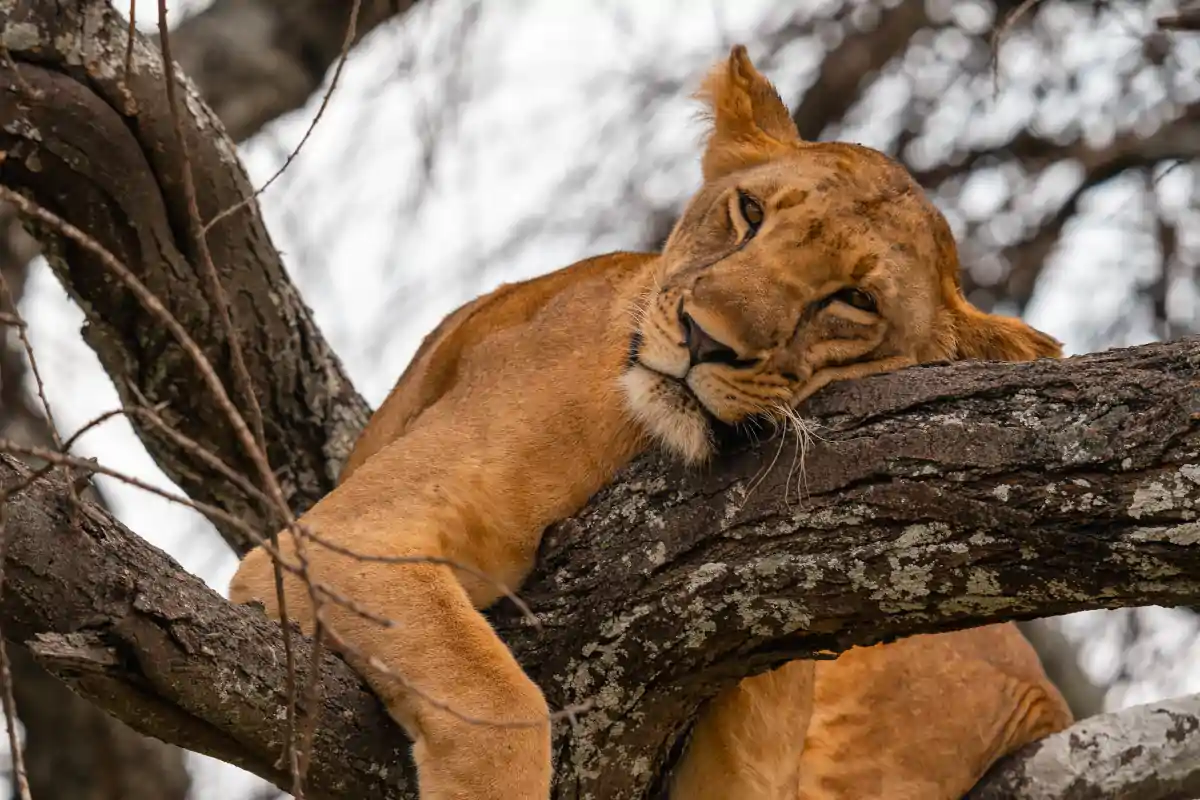
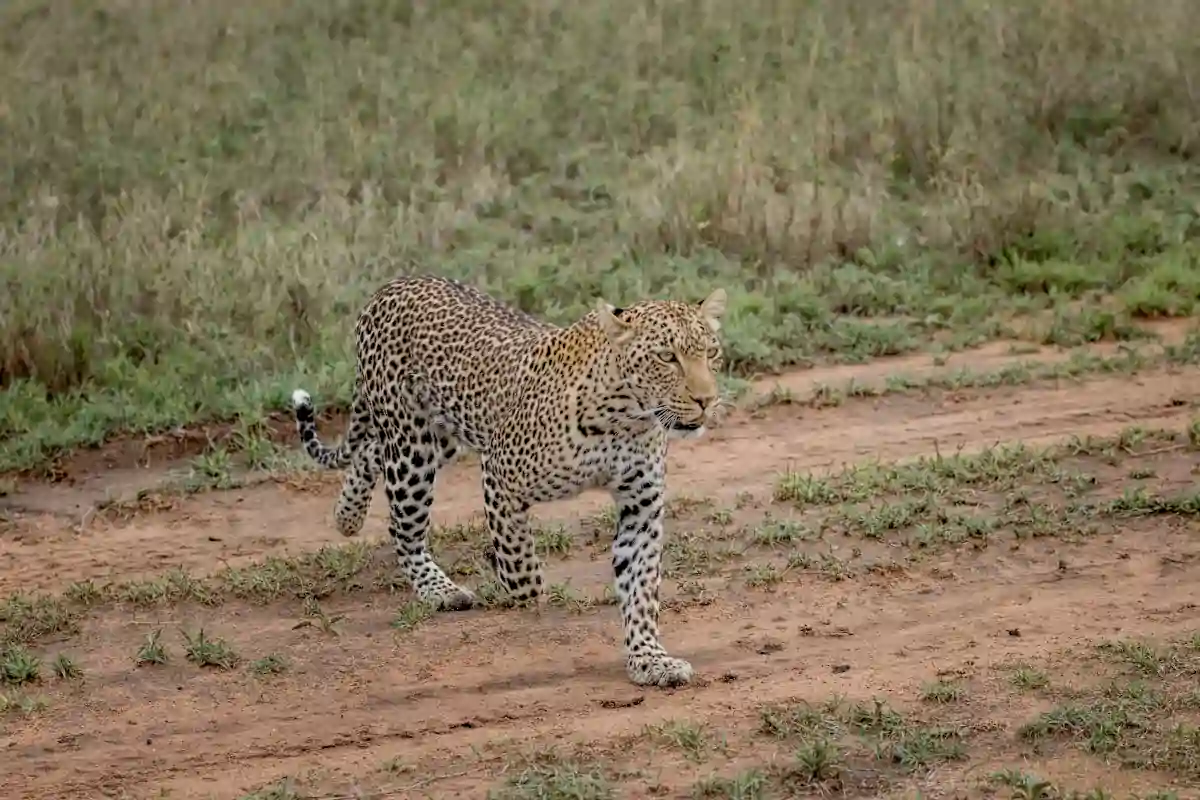
The Fauna is one of the greatest attractions of the Country. In the National Parks we find the greatest variety of fauna in Tanzania, including:
Required to enter Tanzania. It can be obtained upon arrival in the country, at the airport or at the land border.
Fees:
Ordinary or tourist visa valid for up to 90 days; 50 euros
Requirements for entry to the Country; Valid passport with a minimum validity of six months from the date of entry to the country of destination.
The local currency is the Shillong. It is best to bring US dollars, although they also accept Euros. It is recommended to bring money in small bills for the Change. Credit cards are accepted in some lodges and Tented Camps.
It is recommended before the trip to make an appointment at your International Vaccination Center for Foreign Health. There they will give you the appropriate Recommendations for your health trip.
1. Yellow Fever; If you enter Tanzania from Europe, they will not require a vaccination certificate. If you arrive in Tanzania from an area infected with yellow fever then they will demand it.
2. Typhus vaccine
3. Tetanus vaccine
4. Hepatitis A and B vaccine
5. Antimalarial treatment to prevent malaria; The best prevention is avoiding mosquito bites. For this, it is recommended that you carry Insect Repellent that contains DEET in a proportion of 50% and apply it every six hours. Long-sleeved clothing, cotton legs and socks are recommended. There is no vaccine for Malaria, the treatment is preventive chemoprophylaxis, your doctor will prescribe the one he considers appropriate and explain how to take it.
It is recommended to bring a first-aid kit with analgesics, anti-inflammatories, gastric protector, antidiarrheals type fortasec, oral rehydration serum, anti-inflammatory ointment type Gelidin and antiallergic and antihistamines in case of bites, some broad spectrum antibiotic such as Ciprofloxacin to Amoxicillin with clavulanic in case of clavulanic allergic to diarrhea or infectious pictures, antacids and antiseptics such as Betadine, gauze, plasters and bandages in case of wounds.
If you take medication as part of your regular treatment, do not forget it and carry a Medical Certificate with you stating that it is necessary for you to take such medication. Certificate that you can get in tobacconists and your Primary Care doctor will fill it out.
It is recommended that you travel with a Medical Insurance with coverage, if you wish I collaborate with Moisés Martín “Ágora Broker” with very reasonable budgets. For more information on guarantees and conditions of the policy, request information or call the Commercial department of Ágora Broker; 659921024
You can only drink bottled water, be sure to open the bottle yourself. You even have to brush your teeth with bottled water. Bottled water is available in the safari vehicle. In most hotels they will put bottled water in the rooms and in the toilet. Do not eat unpeeled fruits or raw vegetables. Bottled water is used to cook in the lodgings, making it safe. The problem is street markets or shopping in local markets. Make sure that the ice cubes are made of purified water as before, most accommodations have them with bottled water.
The current is generally 240 V and 50 Hz. An adapter is required for charging mobile phones, camera and video batteries, etc. Adapter to be purchased in specialized electrical stores.
Standard time; UTC / 6 MT + 3 hours
One more hour on Spanish time
I’ll take you if you want to shop at local craft stores where haggling is common. You can also make purchases at the accommodation stores where your credit card will be accepted.
In Africa, tips are a common act, a symbol of gratitude, they are given in Dollars or Euros. You decide if you want to give them or not.
Request for firefighter, ambulance or police; 999 the call is free
To call from Tanzania to Spain; dial 00 + 34 + phone number
Area code of Tanzania; +255
International calls; dial 0 before the city code
Internet; In most of the Lodges there is free Wi-Fi, ask for the password.
In general, Tanzania is a safe country, with people who will do everything possible to make your stay pleasant, it is important that you follow the guide’s recommendations on safety when making the safari. Always have your most valuable belongings, money and your passport close at hand. Do not forget to leave anything of value in the accommodations and do not wear large jewelry.
Contact us to kickstart your unforgettable safari experience. When requesting a quote, simply outline your desired trip itinerary, including your preferred activities, duration of stay in each park, and budget considerations. Our team at Safaris Africa United will craft a personalized and comprehensive itinerary tailored to your preferences, ensuring a seamless and memorable journey. Additionally, we offer the convenience of flight booking services upon request. Reach out today to begin planning your dream safari adventure with us.
We are ready to assist you! Complete the form and we will contact you.