


When we talk about Kilimanjaro, almost everyone thinks of Africa, thanks to its imposing silhouette that dominates the horizon and its worldwide fame among travelers and adventurers. However, not everyone knows that it’s located in Tanzania or what makes it a truly unique mountain.
That’s why Safaris Africa United presents everything you need to know about the world’s highest undivided peak, a natural symbol and World Heritage Site that combines challenge, beauty, and an unforgettable experience.
In this article, we’ll cover:
The exact location of Mount Kilimanjaro in Tanzania and how to get there.
Why it’s considered the world’s tallest freestanding mountain.
The truth about its volcanoes and how this African giant was formed.
How Kilimanjaro encompasses five climate zones in a single ascent.
The unique flora and fauna that inhabit its diverse ecosystems.
Where to see Kilimanjaro in all its splendor and the best time to visit.
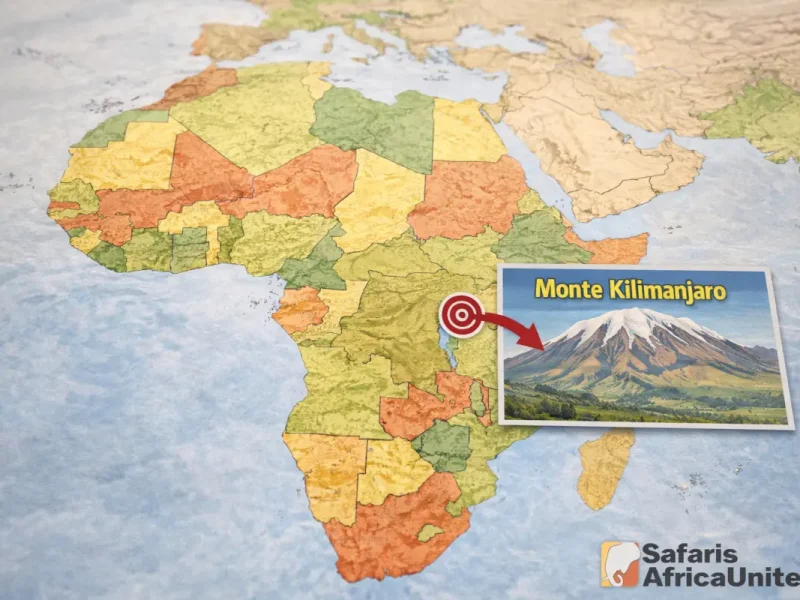
We all remember those geography classes where we had to point out mountains and countries on a map. If we asked today where Mount Kilimanjaro is, many would hesitate between Kenya and Tanzania, right? Although it’s one of the most sought-after destinations in Africa, its exact location continues to cause confusion among travelers and curious visitors.
Many travelers and adventurers who can’t wait to see Africa’s most famous mountain, and one of the most famous in the world, head to Kenya thinking it’s there. But when they arrive, they discover it’s in the neighboring country; its exact location is in Tanzania.
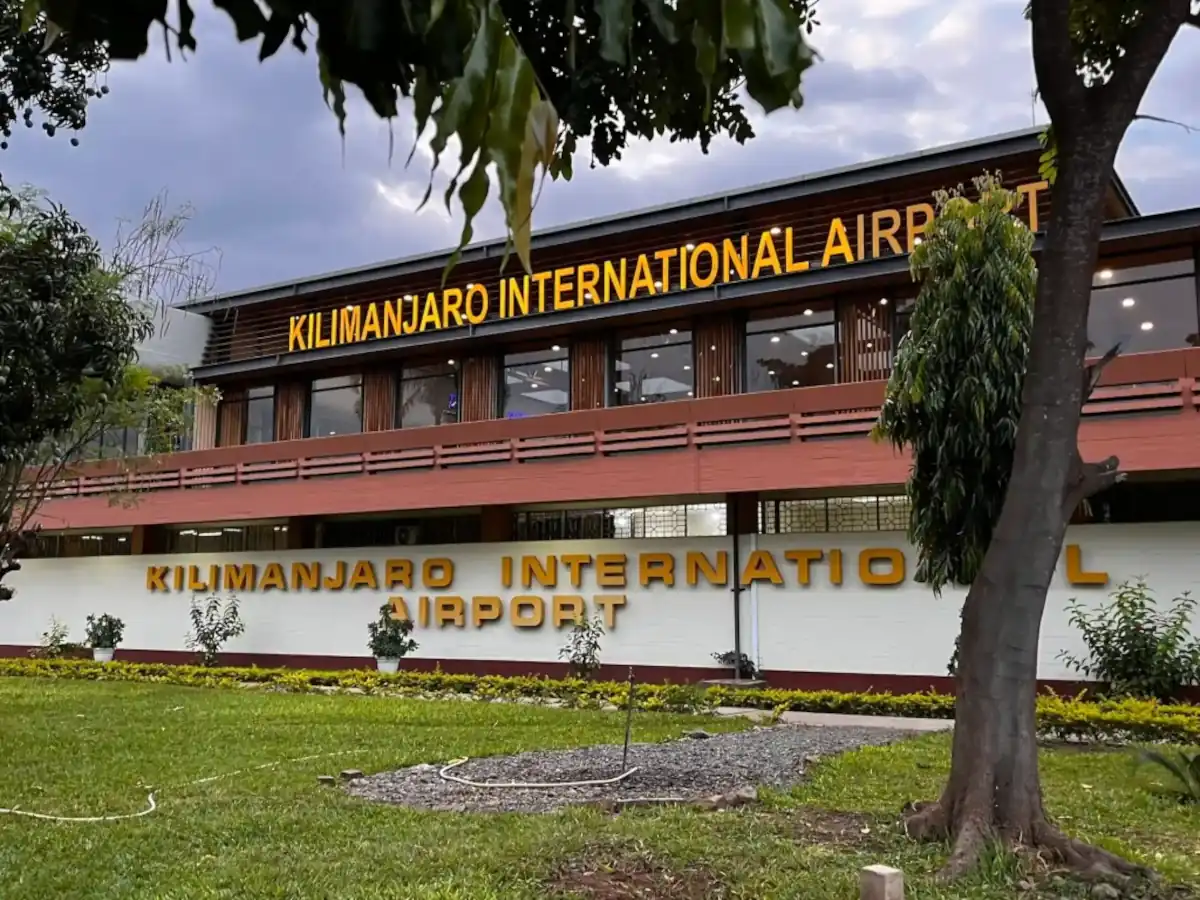
Reaching Mount Kilimanjaro is easier than many people think, thanks to Tanzania’s excellent transport connections with the rest of the world. Most travelers arrive first at Kilimanjaro International Airport, located between the cities of Moshi and Arusha, and from there can take organized transfers directly to the climbing routes. Therefore, it’s advisable to plan your transport and accommodation near the base of the mountain well in advance.
At Safaris Africa United, we help you coordinate everything, from flights to certified guides, so your adventure to Africa’s highest peak is safe, comfortable, and truly unforgettable, allowing you to enjoy the scenery and local culture from the very first moment.
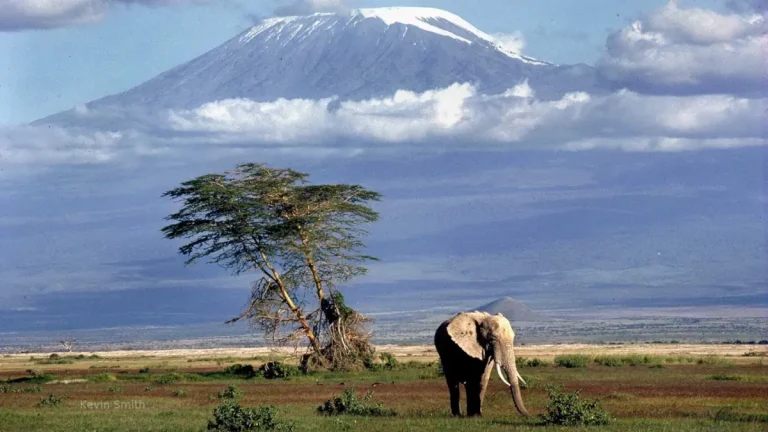
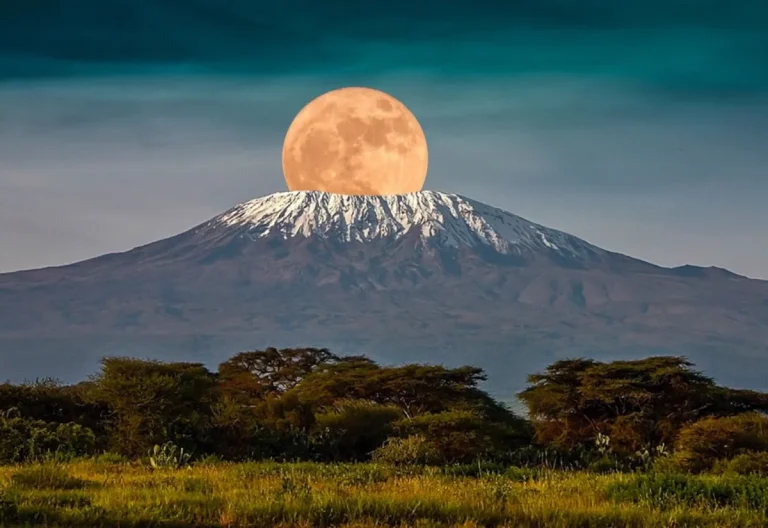
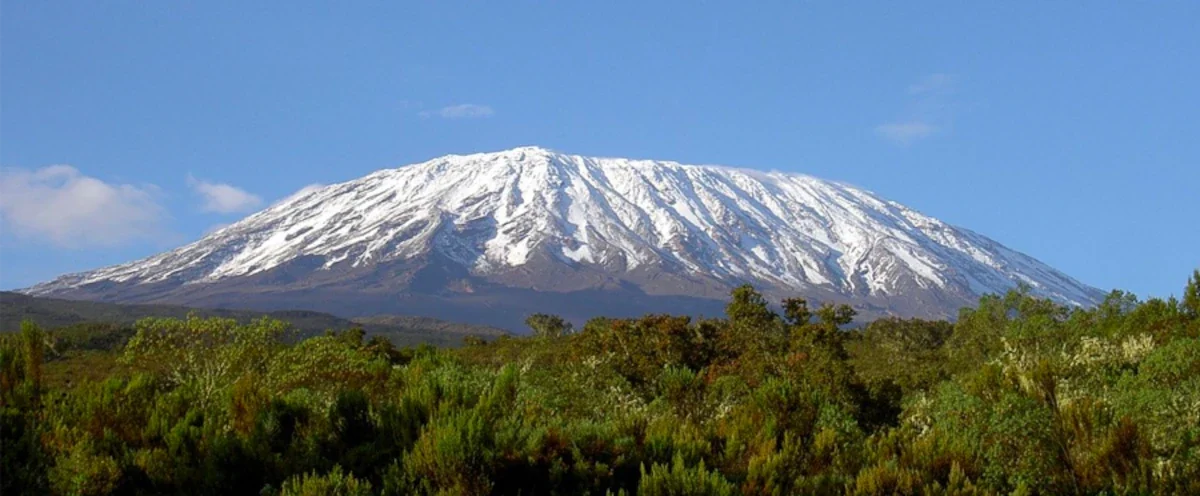
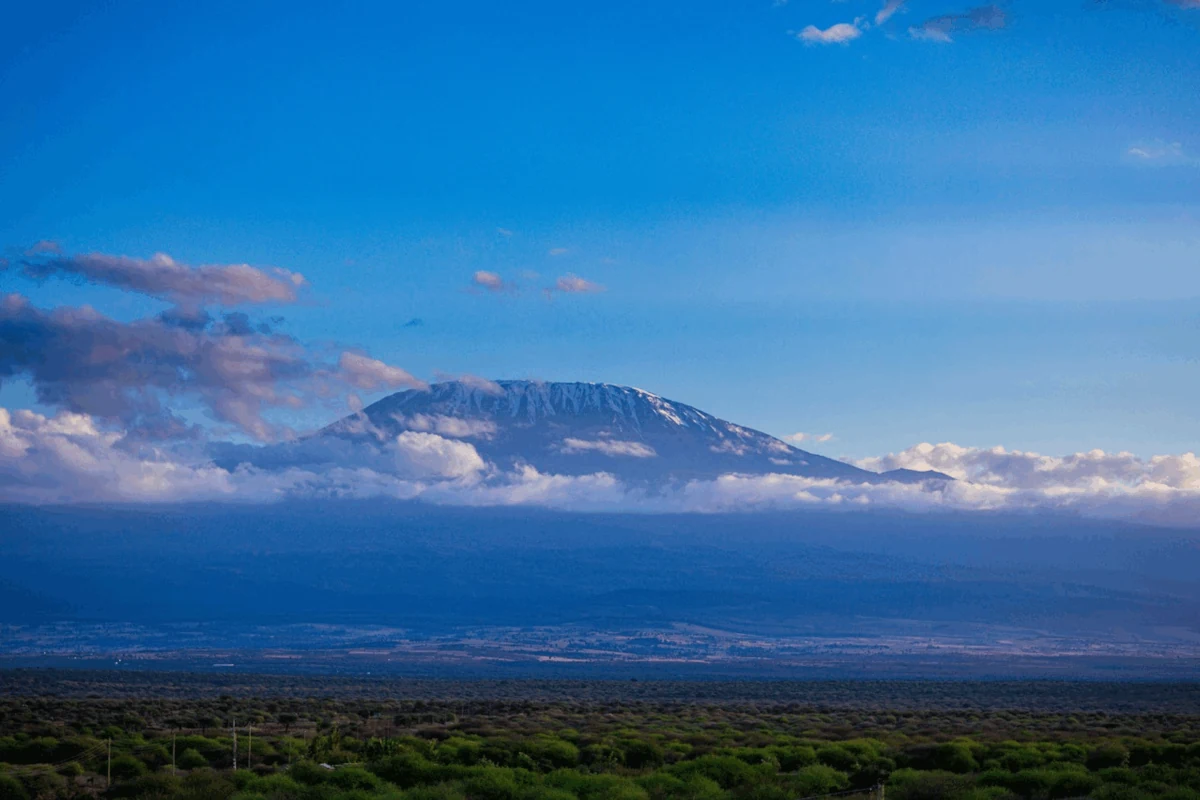
Kilimanjaro is known as the tallest freestanding mountain on Earth because it rises alone, not part of any mountain range, dominating the African horizon with its imposing height of 5,895 meters above sea level.
Thanks to this geographical feature, its silhouette dominates the Tanzanian landscape and can be seen from miles away.
For this reason, it has become a natural symbol of Africa and one of the most sought-after destinations for hikers, photographers, and adventure tourism enthusiasts.
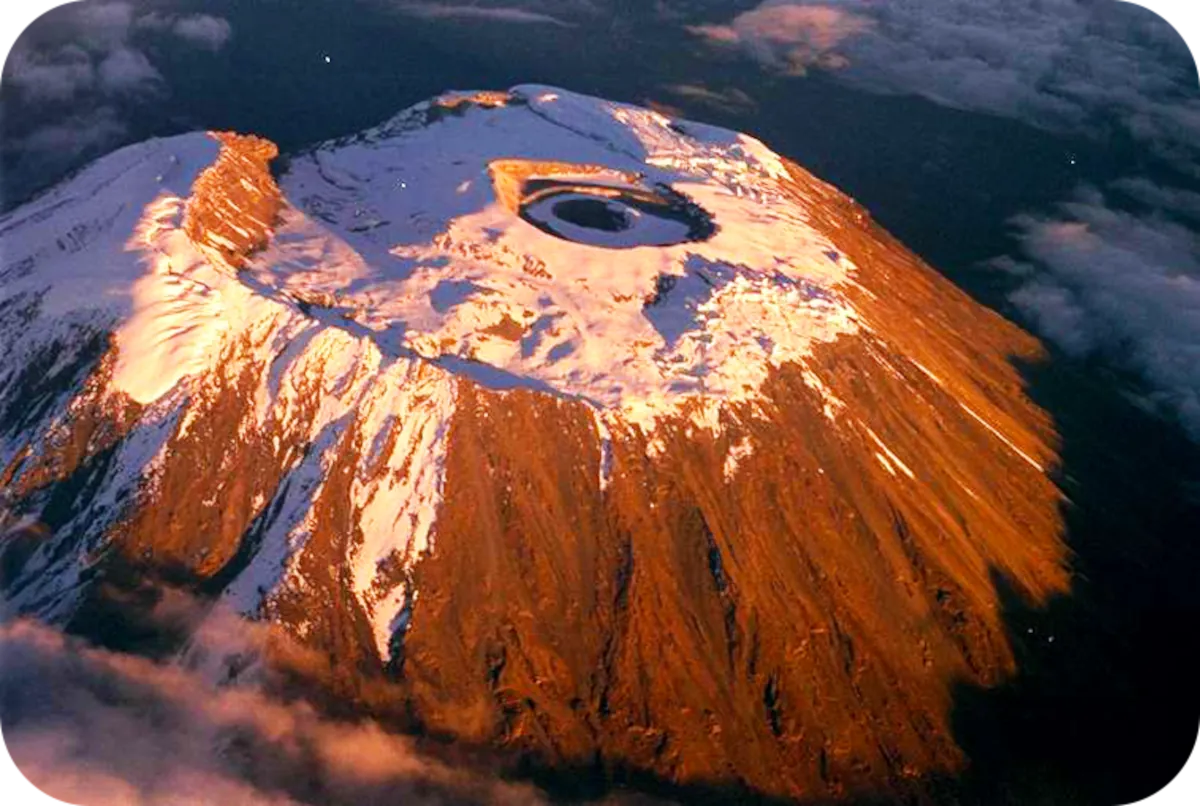
Like other areas of Tanzania, such as the Ngorongoro Conservation Area, Mount Kilimanjaro is also of volcanic origin and is composed of three cones: Kibo, Mawenzi, and Shira, which formed millions of years ago due to the intense geological activity of the East African Rift Valley.
Thanks to the movement of tectonic plates, magma rose from the Earth’s interior and gave rise to this imposing mountain structure. Over time, the activity ceased, and the landscape sculpted itself into the roof of Africa that we know today.
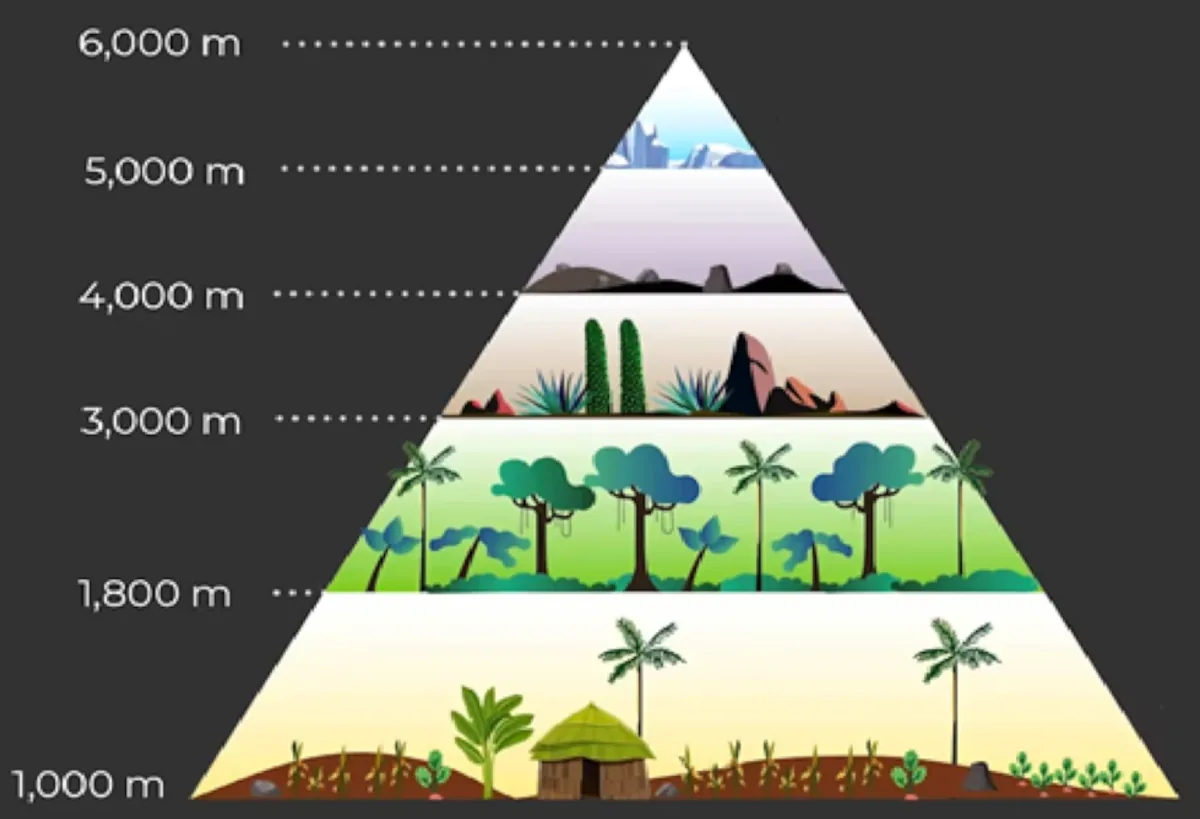
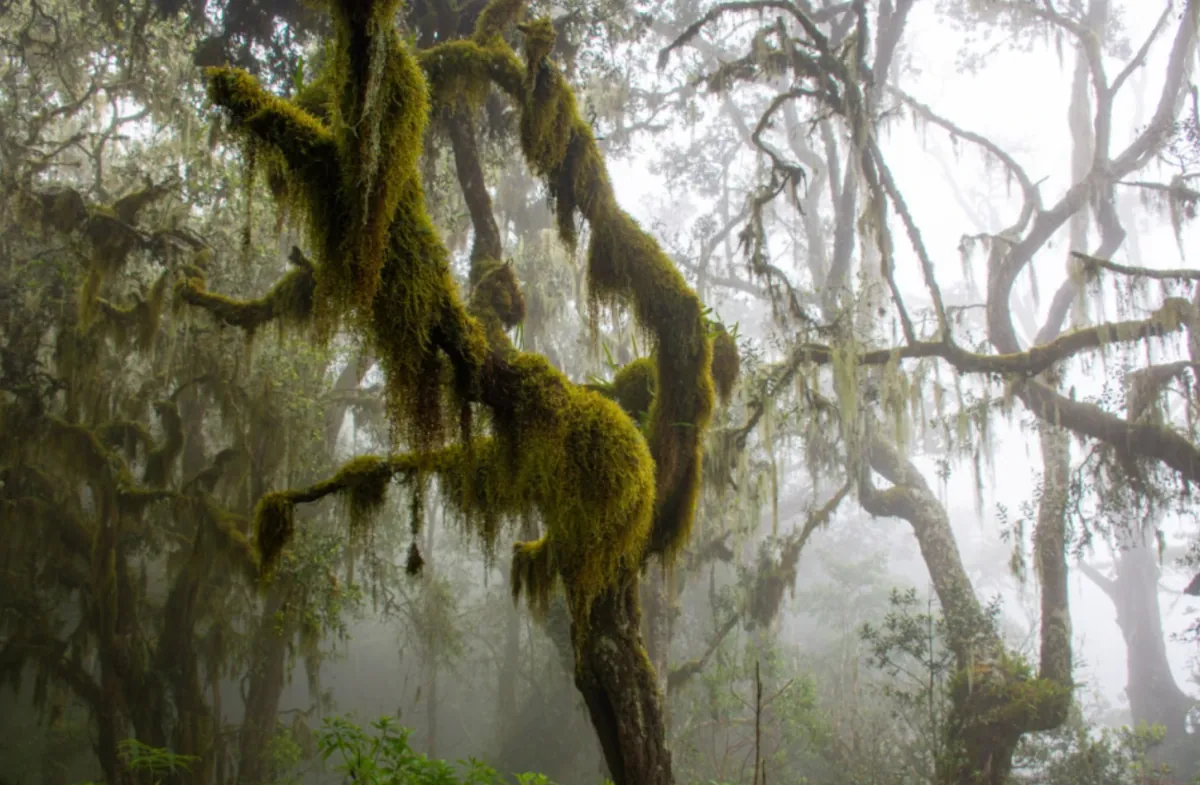
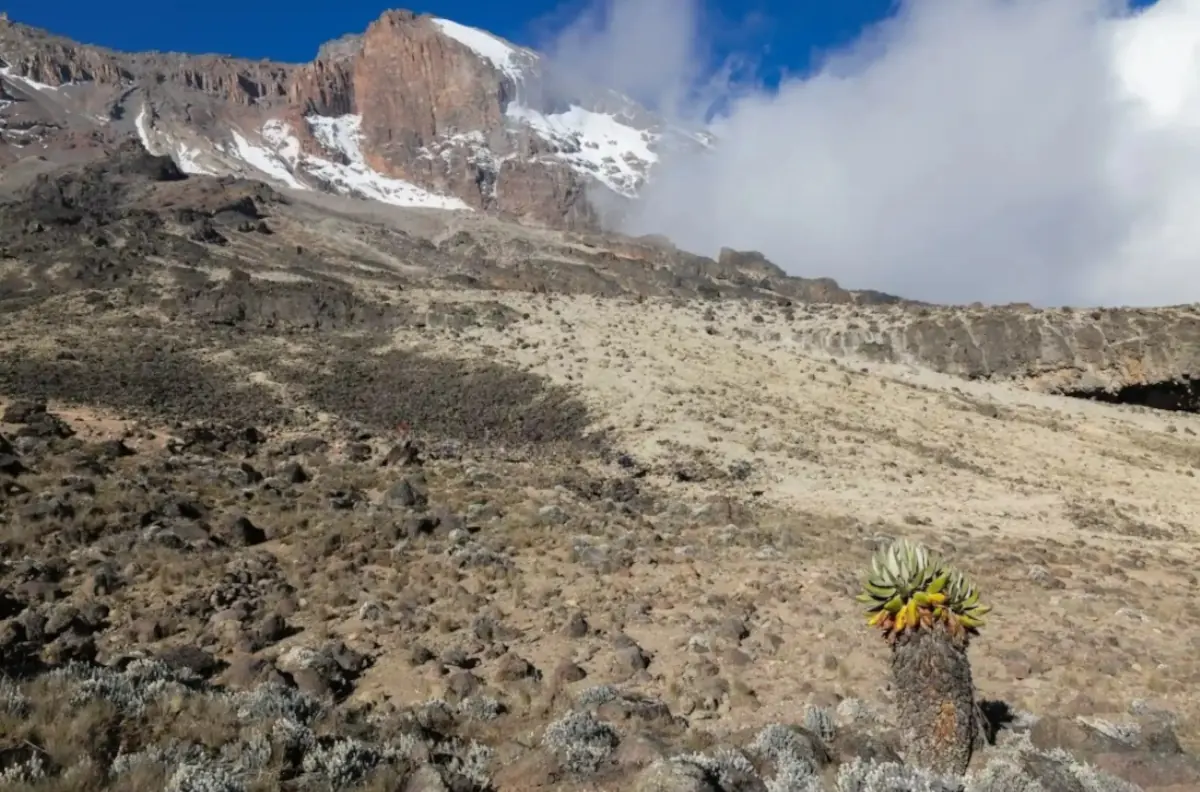
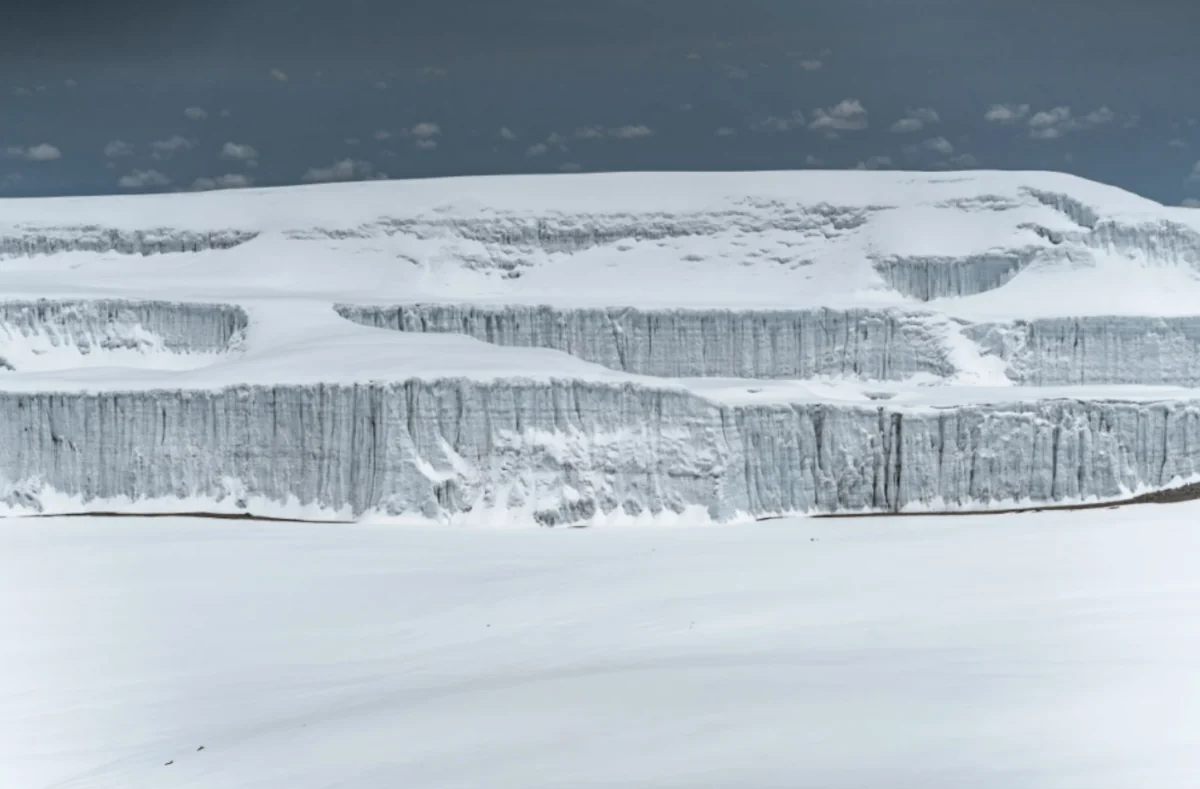
This mountain encompasses five distinct climatic zones in a single ascent, thanks to its impressive elevation change from base to summit. The route begins in the agricultural zone, home to local communities, continues through the humid rainforest, ascends to the heathland and mountain moorland, crosses the alpine desert, and culminates in the Arctic zone at the summit, with its ice and extreme temperatures. Therefore, climbing it is a unique climatic experience found nowhere else in the world.
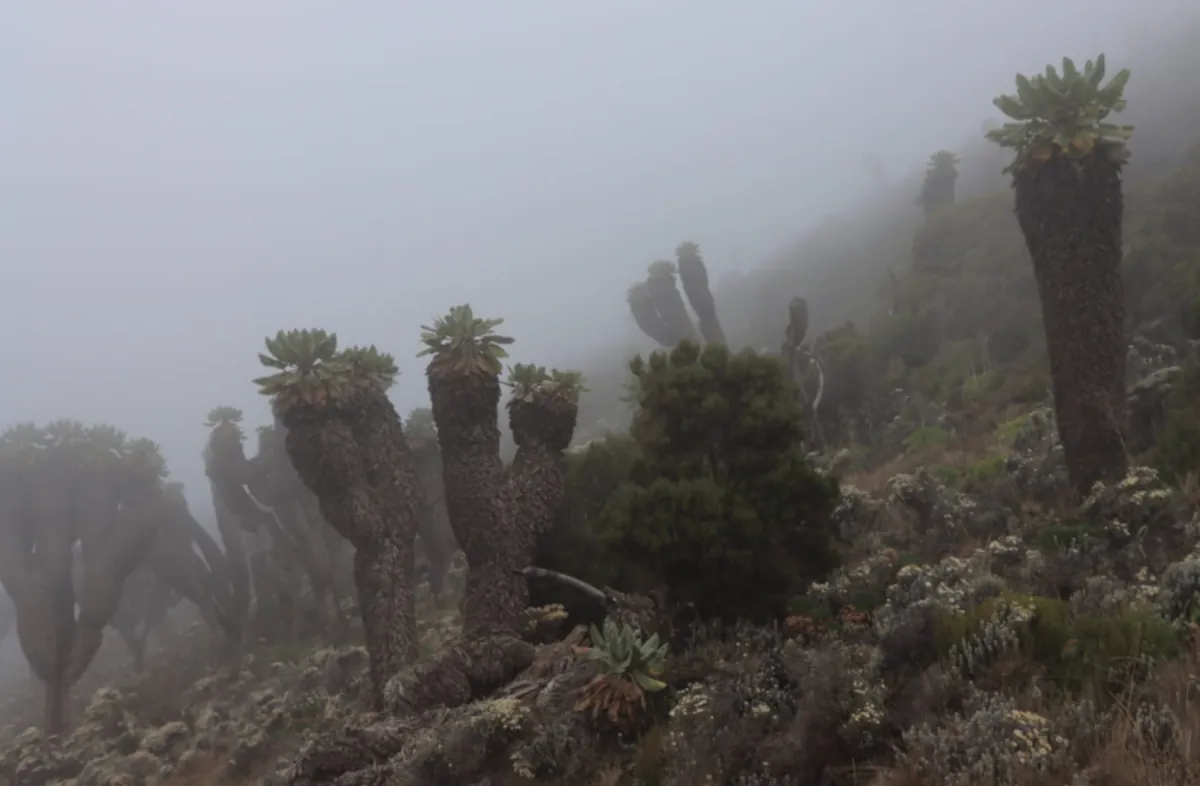
Kilimanjaro is renowned for its extraordinary biodiversity, which changes with increasing altitude. Thanks to its five distinct ecosystems, each zone offers different landscapes and species:
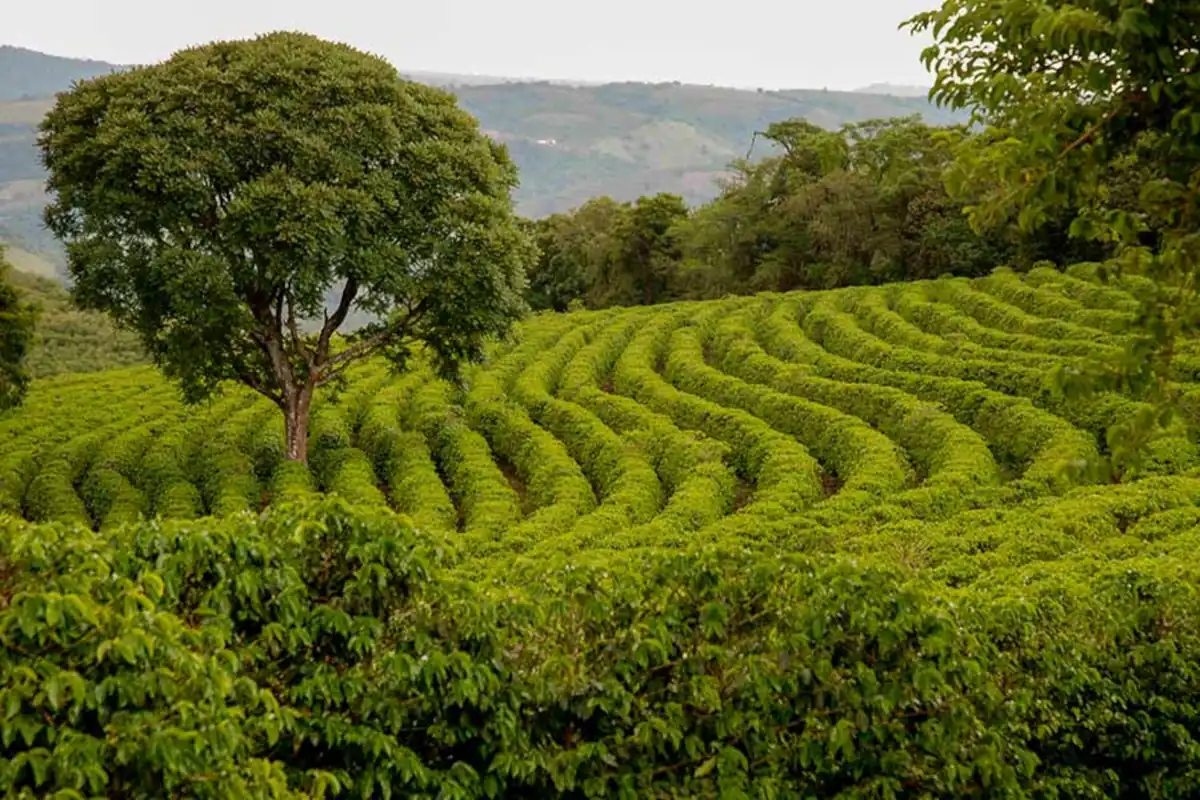
Cultivated zone: fertile lands with crops and the presence of birds and small mammals.
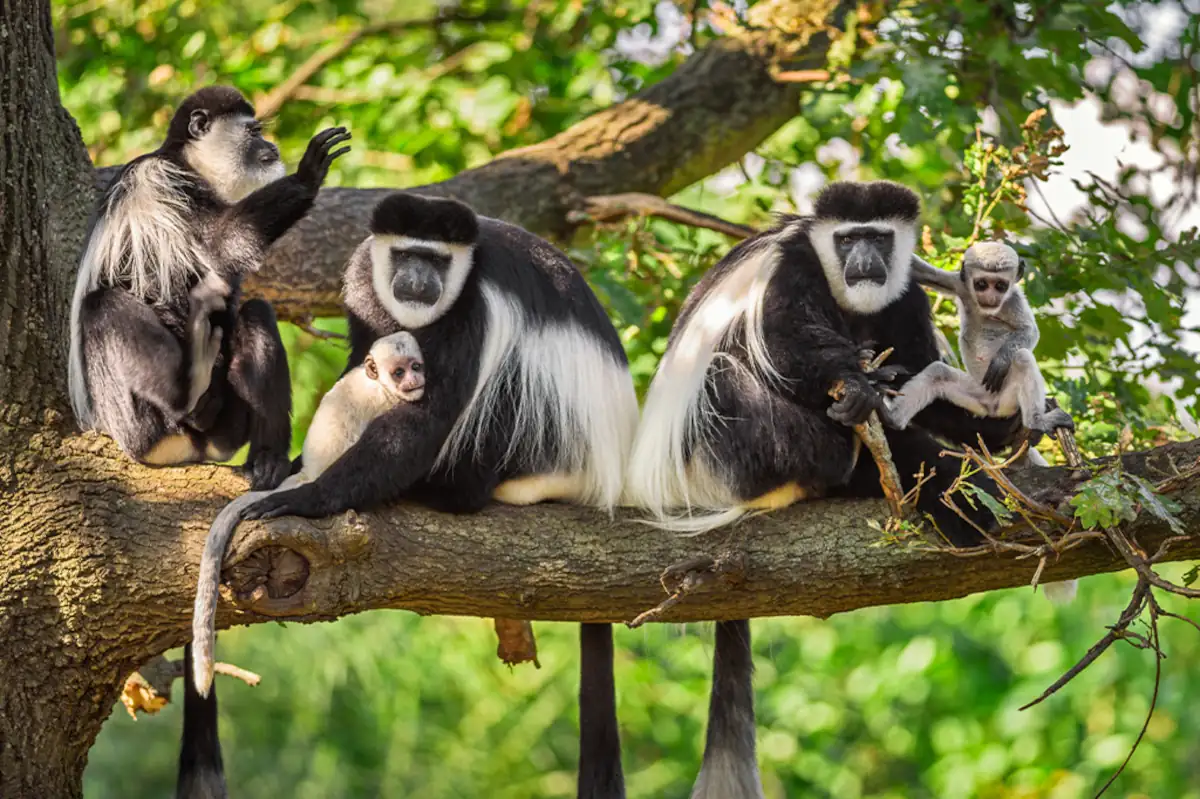
Tropical rainforest: a humid forest with colobus monkeys, antelopes, and a wide variety of birds.
Heathland and moorland: dominated by giant senecios and lobelias, species adapted to the high altitude.
Alpine desert: sparse vegetation and fauna highly resistant to drought and cold.
Arctic zone: lichens and extreme life forms near the icy summit.
Seeing Kilimanjaro from Tanzania is the most authentic way to appreciate its grandeur, as it is here that the mountain is located and from where all official climbing routes begin. The city of Moshi offers some of the best views at sunrise, when the clear sky reveals its snow-capped peak in all its splendor. Furthermore, Kilimanjaro National Park allows you to contemplate it surrounded by pristine wilderness.
As for the best time to travel, the months of January to March and June to October are ideal for visiting, thanks to their clearer skies and perfect conditions for trekking and photography.
Kilimanjaro is not only the highest mountain in Africa, but also a symbol of resilience, nature, and adventure that leaves a lasting impression on every traveler. Thanks to its diverse landscapes, natural beauty, and the challenge of reaching its summit, it has become one of the most sought-after destinations in the world. Therefore, carefully planning every detail is key to enjoying the experience safely and with confidence.
If you are considering a trip to Kilimanjaro and need personalized advice, don’t hesitate to contact us. We will do everything we can to help you make your dream a reality.
EXCELENTE A base de 108 reseñas
 Publicado en Google
 Alvaro SanchezWe booked a safari with Safaris Africa United and the whole experience was unbelievable! Since the reservation process with Cornelius, in which every conversation was totally smooth and he was fully willing to attend our requests, to the safari itself, with our great guide Cliff, who drove us to see everything we wished to see. Food and accomodations were amazing. It strongly recommend to reserve a safari with them. Asante sana!Publicado en Google
 Jean DeshaiesUne semaine incroyable avec un guide exceptionnel et une compagnie des plus professionnelles. Ils sont flexibles et à notre écoute. Hautement recommandé.Publicado en Google
 Gagnon AnnieWe had an absolutely extraordinary experience during our sevenday safari in Tanzania! Everything was very well organized from start to finish. Our guide was professional, attentive, passionate, and always available to answer our many questions. We discovered magnificent landscapes and observed an incredible number of animals in their natural habitat. Each day brought new surprises and unforgettable moments. The accommodations were very pleasant, and the entire trip exceeded our expectations. A huge thank-you to the entire team for your warm welcome, kindness, and all these wonderful memories. We highly recommend this experience without hesitation!Publicado en Google
 Stephanie Rodrigue⭐⭐⭐⭐⭐ If we could give more than 5 stars, we would! The trip of a lifetime! Our 8-day safari with Safaris Africa United exceeded every expectation. We explored Tarangire, Central and Northern Serengeti, Ngorongoro Crater and Lake Manyara, and were incredibly lucky to see the Big Five and so much more. What truly made this safari unforgettable was our amazing driver-guide, Laurian. His ability to spot wildlife was incredible, but even more impressive was his knowledge of animal behavior and knowing when to wait and let nature surprise us. Thanks to his patience and experience, we witnessed extraordinary moments: the birth of a baby zebra, a lion and lioness mating, predators with their prey, elephant families with their babies, a leopard in a tree, cheetahs and countless other unforgettable wildlife encounters. At times, it felt like we were inside a wildlife documentary! We love photography, and Laurian never rushed us. He always tried to position the vehicle perfectly and gave us all the time we needed. He also personalized our days according to what we wanted to see and experience. It never felt like we were simply following a tour — it truly felt like our safari, designed for us. Most importantly, we felt completely safe with Laurian from beginning to end. He is an excellent, calm and careful driver, and we trusted him completely. By the end of our eight days together, it didn’t feel like we were saying goodbye to our driver-guide… we were saying goodbye to a friend. We cannot recommend Safaris Africa United — and especially Laurian — highly enough. Asante sana, Laurian! ❤️🇹🇿 Thank you for sharing your beautiful Tanzania with us and giving us memories that will last a lifetime. Hakuna matata! And yes Laurian… “Ça va? Ça va?” — Ça va très, très bien! 😊❤️Publicado en Google
 Gabriela Victoria Procel BurbanoPerfecto !!!Publicado en Google
 Lourdes G.
Trustindex verifica que la fuente original de la reseña sea Google.
Agradable experiencia con Tunaini y AlejandroPublicado en Google toni alex carbonellFantástico Safari de la mano de Safari Africa United. Zuberi y Laurian son muy buenos guías y Cornellius es la hospitalidad en persona. Recomendamos este Safari 100%. Buena relación calidad-precio y, lo más importante, el dinero se queda en el país de Origen, Tanzania🇹🇿 Asante sana!Publicado en Google
 Pau LluchLes quiero hacer una breve sugerencia para aquellas personas que quieran hacer un Safari en Tanzania. Acabamos de hacer un viaje con mi familia hace pocos días y hemos disfrutado muchísimo. Hemos tenido la suerte de poder disfrutar de los cinco grandes animales que pueblan el Serengueti y su contorno gracias al conocimiento de nuestro guía Cornelius. También hemos tenido la oportunidad de visitar varios poblados indígenas como el de los bosquimano y Masai para conocer sus costumbres y ver cómo viven. Al Sr Cornelius lo conocimos en otro Safari en el 2013 como guía, nos dijo que su meta era tener su propia agencia. Su sueño es en estos momentos una realidad y lo recomiendo para los amantes de los Safaris. Su gestión fue impecable, pudimos desconectar durante el viaje sin tener que preocuparnos de nada, solo de disfrutar.Publicado en Google
 PepiDefinitivamente el mejor viaje de nuestra vida. Desde el principio la comunicación con el señor Cornelius ha sido de 10, la organización el itinerario el precio todo perfecto. Nuestro guia Joshua fue súper simpático profesional y en todo momento nos hizo sentir mucha seguridad. Cada 5 minutos veíamos diferentes animales y no hubo problema para ver los Big5. Un safari que supero muchísimo lo que esperábamos .Todas las estancias de 10 . Una experiencia que hay q vivir una vez en la vida. Muchas gracias Joshua por ser tan profesional y buena persona. 100x100 aconsejable. Safari África unitedPublicado en Google
 LeyaUna experiencia inolvidable en Tanzania Hay viajes que se viven… y otros que se quedan contigo para siempre. Este safari por Tanzania ha sido, sin duda, de los segundos. Una experiencia que nos ha emocionado, sorprendido y dejado sin palabras desde el primer hasta el último día. Hemos realizado un safari de 4 días con Safaris África United, recorriendo 2 días el Serengeti, 1 día el Ngorongoro y 1 día Tarangire, y la experiencia ha sido sencillamente espectacular. Queremos agradecer especialmente a todo el equipo. Gerard, nuestro guía de habla hispana, hizo que el viaje fuera todavía más especial. Su conocimiento de los animales, del entorno y de la cultura de Tanzania, además de su cercanía y paciencia, hicieron que cada día aprendiéramos y disfrutáramos muchísimo. También queremos destacar a Tuma, nuestro conductor, que además de ser un gran profesional, estuvo siempre pendiente de nosotros y consiguió que nos sintiéramos seguros durante todo el safari. Gracias a su experiencia pudimos disfrutar de momentos únicos y ver una cantidad de animales que superó todas nuestras expectativas. Y por supuesto, gracias a Cornellius, que se encargó de organizar todo y estuvo pendiente de que el viaje saliera perfecto en cada detalle. El Serengeti nos dejó sin palabras, el cráter del Ngorongoro fue impresionante y Tarangire nos sorprendió muchísimo. Hemos vivido momentos que recordaremos toda la vida. Si estás pensando en hacer un safari en Tanzania, no lo dudes: Safaris África United es una apuesta segura. La organización, el trato humano y el equipo hacen que la experiencia sea realmente de 10. Gracias Gerard, Tuma y Cornelius por hacer de nuestro safari una experiencia inolvidable. ¡Asante sana! 🇹🇿❤️
Contact us to kickstart your unforgettable safari experience. When requesting a quote, simply outline your desired trip itinerary, including your preferred activities, duration of stay in each park, and budget considerations. Our team at Safaris Africa United will craft a personalized and comprehensive itinerary tailored to your preferences, ensuring a seamless and memorable journey. Additionally, we offer the convenience of flight booking services upon request. Reach out today to begin planning your dream safari adventure with us.