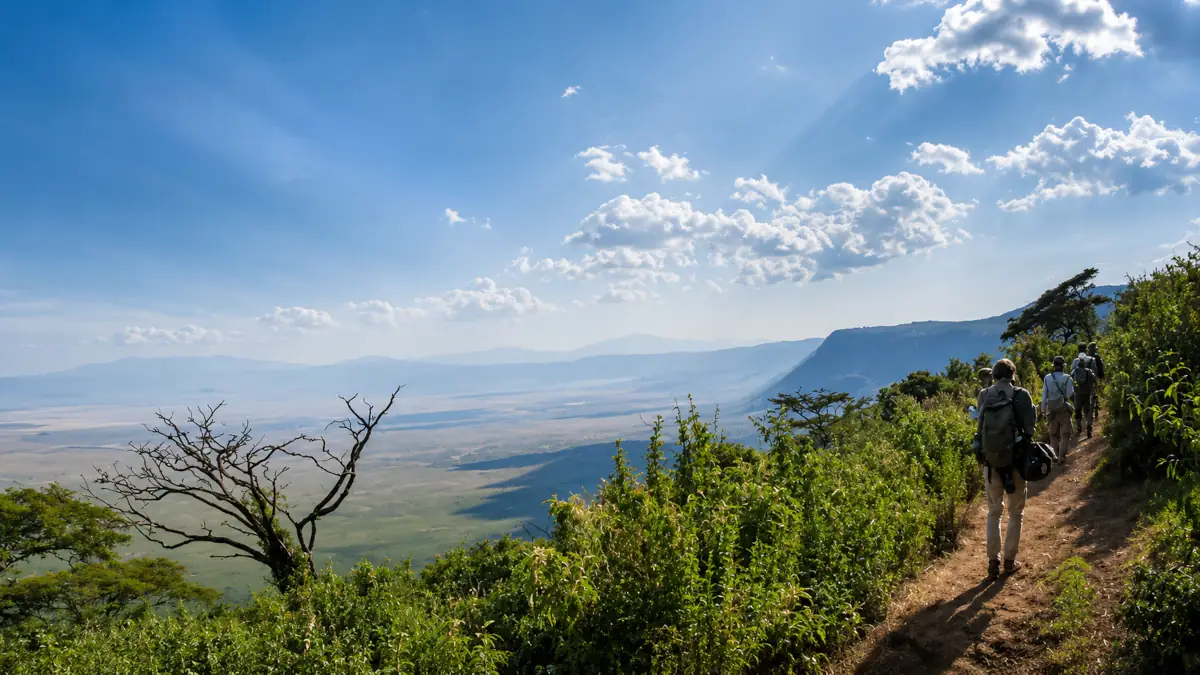
Planning a trip to Tanzania is exciting, but it also raises many questions. When is the best time to travel? What clothes should you pack? Is it possible to go on safari with children? In this guide, we answer the most frequently asked questions about safaris so you can plan your adventure with clear and straightforward information. Knowing a few details before you leave will also allow you to better enjoy the Serengeti, the Ngorongoro Crater, Tarangire, and Lake Manyara.
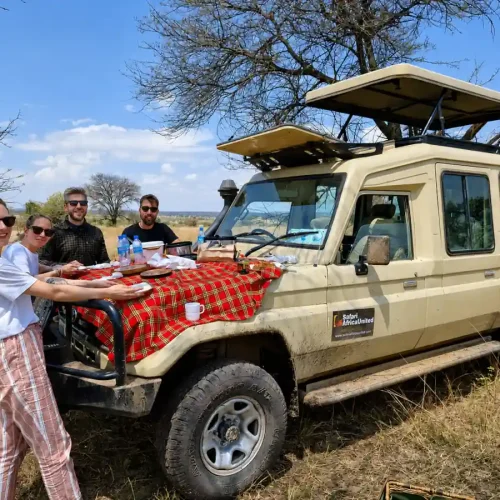
Comfort and safety throughout the journey
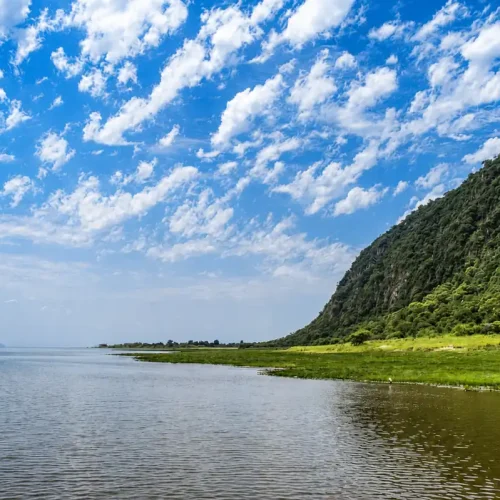
Nature, water and wildlife in northern Tanzania
Key questions about safaris
1. When is the best time to travel? Tanzania offers great experiences year-round. From June to October, the weather is generally drier, and wildlife congregates near water. Between January and March, the southern Serengeti and Ndutu become prime locations for the breeding season. However, the Great Migration depends on rainfall, so no specific crossing can be guaranteed.
2. Do I need a visa for Tanzania? It depends on your nationality. Always check the official immigration website before booking and travel with a passport that is valid for at least six months.
3. Are there any required vaccinations? Requirements vary depending on your country of origin, layovers, and health status. Therefore, schedule an appointment with an international vaccination center. It is also important to seek professional advice on malaria prevention.
4. How many days does a safari take? A three- or four-day tour allows you to see some essential sights. However, five to eight days offer a more relaxed pace, more areas to observe, and a less rushed experience.
5. Is it safe to go on safari? Yes, as long as you travel with professionals, respect the guide’s instructions, and don’t leave the vehicle in unauthorized areas. It’s also highly recommended to purchase insurance that covers medical assistance, cancellations, and baggage.
Questions about safaris and luggage
In Tanzania, comfort is more important than wearing a new outfit every day. Pack lightweight, easy-to-mix-and-match clothing suitable for cool mornings, warm evenings, and dusty roads.
• Clothing in neutral tones and a light jacket.
• Comfortable, broken-in closed-toe shoes.
• Hat, sunglasses, and sunscreen.
• Insect repellent, personal medication, and a small first-aid kit.
• Camera, batteries, portable charger, and binoculars.
• Soft-sided bag if your itinerary includes small planes. Avoid carrying too much. Many accommodations have laundry facilities, and a practical suitcase makes traveling much easier.
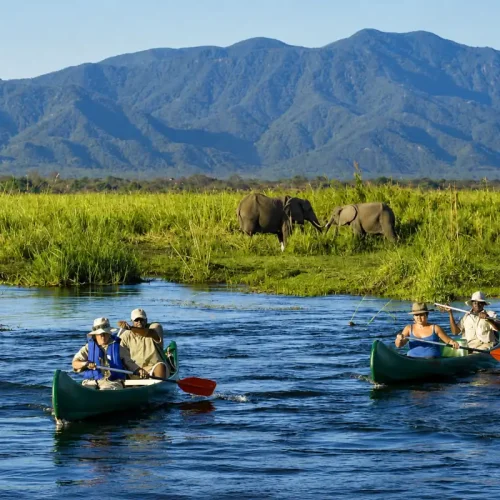
A different way to discover the wildlife and the landscape
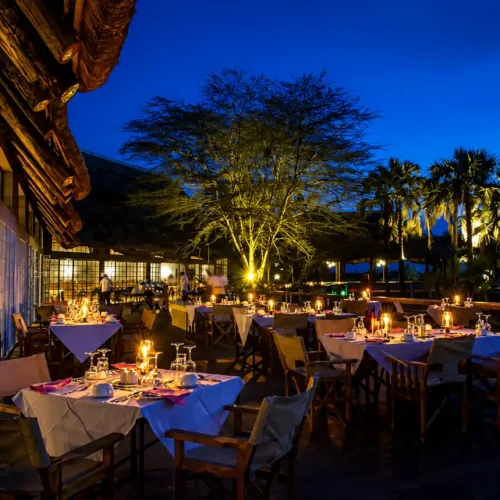
Rest and food after a day on safari
Questions about safaris with children
A family safari can be unforgettable, but it should be tailored to the children’s ages and pace. It’s best to combine reasonable journeys, breaks, and family-friendly accommodations. Some camps also have minimum age requirements for certain activities. A personalized itinerary allows you to choose suitable parks, times, and accommodations, avoiding excessively long days.
Safaris and animals
Animals live in the wild and their movements don’t follow a schedule. Therefore, a safari isn’t about checking off species from a list, but about interpreting tracks, sounds, and behaviors. The guide’s experience is crucial for locating wildlife without disturbing it and choosing the route according to the season. You might look for lions, elephants, giraffes, leopards, or rhinos, but every outing is different. That’s precisely where the excitement lies.
Family safari in Tanzania
Your safari in Tanzania, well organized
Safaris Africa United is a local tour operator based in Arusha with firsthand knowledge of the parks of northern Tanzania. We organize customized itineraries based on your travel dates, interests, and budget, in addition to scheduled safaris and camping options, ranging from mid-range to luxury.
Our tours can include the Serengeti, Ngorongoro Crater, Tarangire National Park, Lake Manyara, Arusha, and experiences related to the Great Migration. Thanks to expert guides and meticulous planning, you can focus on observing, photographing, and experiencing Tanzania. Tell us how you envision your trip, and we’ll prepare a proposal tailored to your needs.
Esta web utiliza cookies para mejorar tu experiencia. ¿Las aceptas?
Política de Cookies
Privacy Overview
This website uses cookies to improve your experience while you navigate through the website. Out of these cookies, the cookies that are categorized as necessary are stored on your browser as they are essential for the working of basic functionalities of the website. We also use third-party cookies that help us analyze and understand how you use this website. These cookies will be stored in your browser only with your consent. You also have the option to opt-out of these cookies. But opting out of some of these cookies may have an effect on your browsing experience.
Necessary cookies are absolutely essential for the website to function properly. This category only includes cookies that ensures basic functionalities and security features of the website. These cookies do not store any personal information.
Any cookies that may not be particularly necessary for the website to function and is used specifically to collect user personal data via analytics, ads, other embedded contents are termed as non-necessary cookies. It is mandatory to procure user consent prior to running these cookies on your website.
More info? / ¿Más información?
1
Hi! How can we help you? / ¡Hola! ¿En qué podemos ayudarte?